When Danika Mori first arrived in Rome, she didn’t come to act. She came to explore. The city didn’t feel like a backdrop for her career-it felt like an extension of her personality. Streets lined with ancient stone, hidden courtyards smelling of espresso and incense, late-night piazzas buzzing with laughter and jazz-it all became her playground. No script. No schedule. Just her, a camera, and the city that never sleeps.
Rome’s Streets Are Her Studio
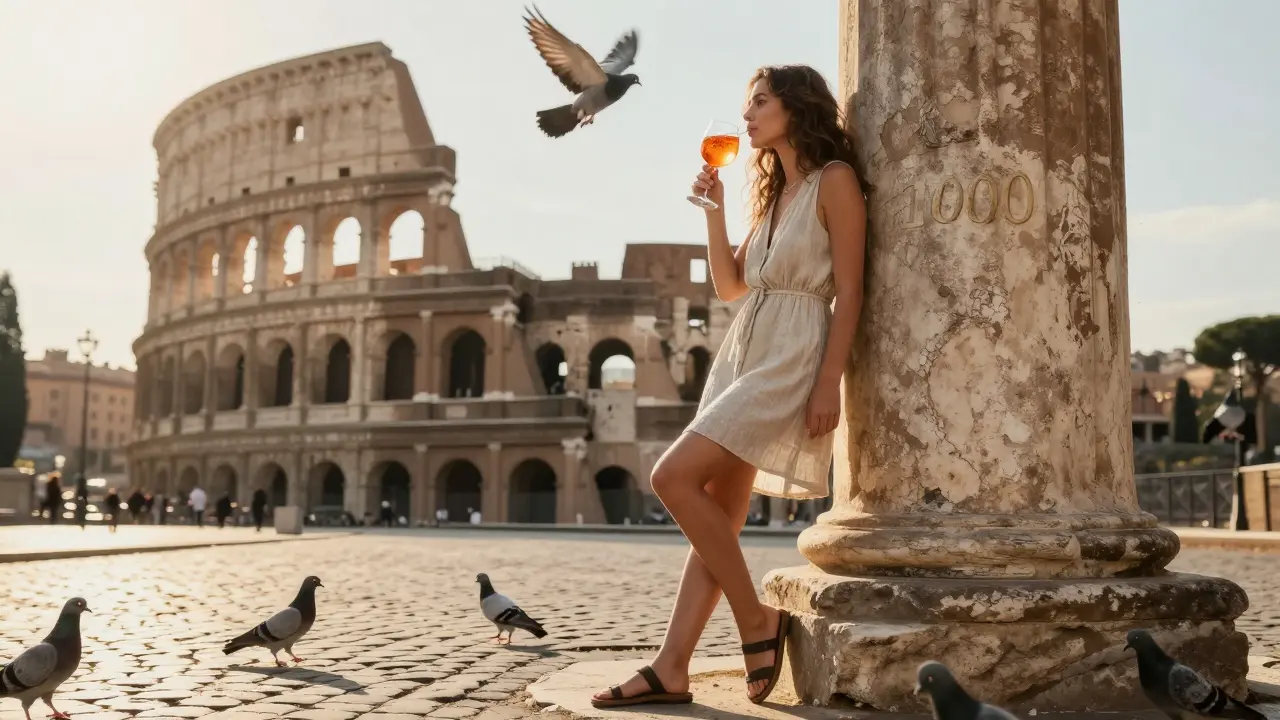
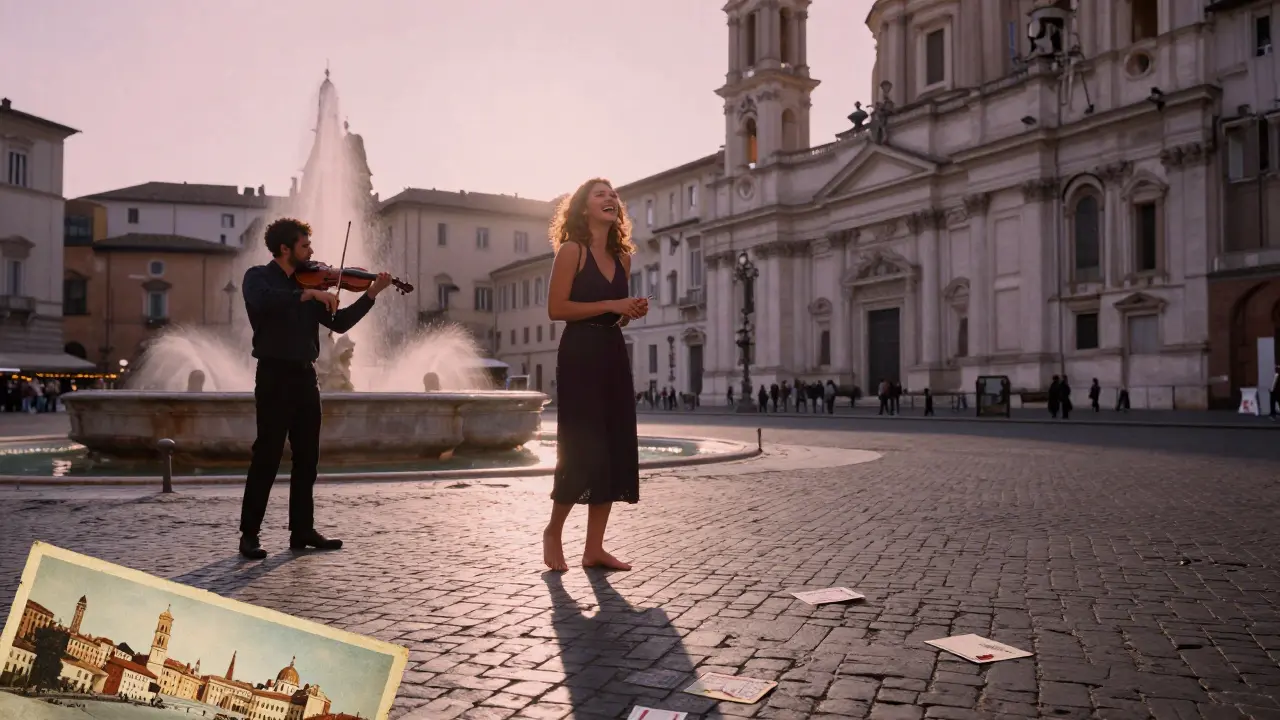
Danika doesn’t shoot in studios. She shoots in the Colosseum’s shadow, on the steps of the Spanish Steps at dawn, in the back alleys of Trastevere where the laundry hangs like colorful flags. Her Instagram feed isn’t curated-it’s captured. A photo of her leaning against a 2,000-year-old pillar, sipping an Aperol spritz, with pigeons swirling around her. Another: her barefoot on the cobblestones of Piazza Navona, laughing as a street violinist plays a song she doesn’t recognize.
She doesn’t need lighting rigs. Rome’s golden hour is her best friend. The way the light hits the dome of St. Peter’s at 5:30 p.m. turns skin into silk. She’s photographed by friends, strangers, even tourists who recognize her from a viral clip of her dancing on the Ponte Sant’Angelo. No agent. No manager. Just her, a Canon, and the city’s rhythm.
From Modeling to Living
Danika started in the industry like many others-auditions, casting calls, contracts. But something shifted after her first trip to Rome in 2021. She didn’t book a hotel. She rented a tiny apartment in Monti for three months. She learned to make pasta from a nonna who lived downstairs. She started speaking Italian-not perfectly, but enough to haggle at the market, joke with the barista, and flirt with the waiter who always gave her extra gnocchi.
She stopped saying she was a model. She started saying she was a resident. Rome didn’t care about her past. It only cared that she showed up. Every morning. Every sunset. Every midnight.
Her World Isn’t Just About Sex
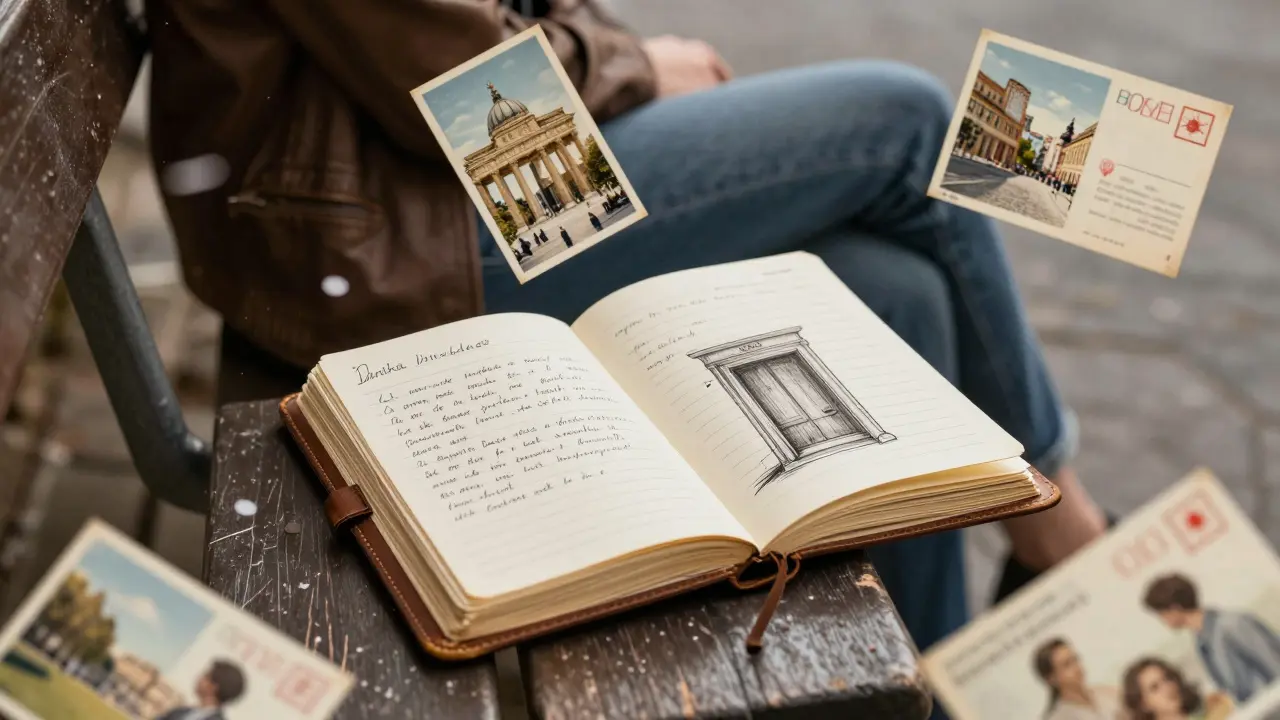
People assume her life is all about adult content. It’s not. She’s spent hours in the Vatican Museums, not for the art, but for the silence. She reads philosophy in English and Italian, sometimes aloud, just to hear how the words feel. She’s been to over 80 independent bookstores in the city. She collects vintage postcards of Rome from the 1950s and leaves them on park benches for strangers to find.
She hosts small dinner parties in her apartment. No cameras. No audience. Just five people-musicians, poets, a retired architect, a baker from Sicily, and a German student studying Roman aqueducts. They talk about everything. Nothing is off-limits. Nothing is staged.
The Contrast That Defines Her
Rome is a city of contradictions. Ancient and modern. Sacred and sensual. Loud and quiet. Danika doesn’t choose one side. She lives in the overlap. She’ll go to mass at Santa Maria in Trastevere on Sunday, then dance in a basement club under flickering neon on Saturday. She wears designer dresses to dinner and torn jeans to climb the Aventine Hill at sunrise.
She doesn’t hide her work. But she doesn’t let it define her. When someone asks, “Are you Danika Mori-the adult star?” she smiles and says, “I’m the girl who knows where the best gelato is in Testaccio.”
Why Rome Fits Her
Rome doesn’t ask you to be polished. It asks you to be real. The city has seen emperors, popes, revolutionaries, artists, and rebels. It doesn’t judge-it observes. Danika thrives there because Rome doesn’t need her to be anything but herself. No pressure to be glamorous. No demand to be quiet. No expectation to perform.
She’s not trying to escape her past. She’s expanding it. Her work is part of her story, but it’s not the whole story. She’s the woman who knows how to open a bottle of Chianti with her teeth. Who can tell you which fountain in Rome has the best-tasting water. Who once spent three days just walking from the Vatican to Ostia Antica, taking photos of doorbells.
Her Influence Is Quiet, But Real
She hasn’t done interviews. She hasn’t promoted a brand. But thousands of people-mostly women in their 20s and 30s-follow her because she shows what freedom looks like. Not the kind you buy. The kind you build. Slowly. Quietly. With coffee, chaos, and courage.
Her followers don’t just watch her. They replicate her. A girl in Berlin posts a photo of herself on a rooftop with the caption: “Danika taught me to love the city, not the camera.” A student in Lisbon starts a blog: “How I Learned to Live Like Danika Mori.”
She doesn’t know it. But she’s become a quiet symbol: You don’t have to choose between being seen and being free. You can be both.
What’s Next?
Danika’s next project isn’t a video. It’s a book. Not a memoir. Not a photo collection. A journal. Pages filled with sketches of Roman doorways, notes on overheard conversations, lists of favorite cafes, and handwritten recipes from the women who fed her. She’s calling it “Rome Doesn’t Ask”.
She says it’s not for sale. Just for sharing. If you find a copy on a bench near the Pantheon? Take it. Read it. Leave it again somewhere else.
For now, she’s still there. Walking. Watching. Living. Rome hasn’t changed. But she has. And maybe, just maybe, that’s what the city was waiting for all along.