Key Takeaways
- Mix iconic sites with hidden neighborhoods for a balanced Rome experience.
- Buy skip‑the‑line tickets for the Colosseum and Vatican Museums to save hours.
- Use Rome’s tram, bus, and metro network - a daily pass costs €7.
- Sample a classic Roman lunch in Trastevere and finish with a night stroll at the Spanish Steps.
- Plan at least two days if you want to explore both the historic centre and the lush Villa Borghese park.
When you think about Rome is a vibrant capital of Italy, famed for its ancient ruins, baroque piazzas and world‑class cuisine, the list of things to do in Rome feels endless. Whether you have a single day or a full week, the city can surprise you with both legendary monuments and tucked‑away corners that only locals know.
1. The Must‑See Classics
These sites define Rome’s identity. Skipping them means missing the core of the city’s story.
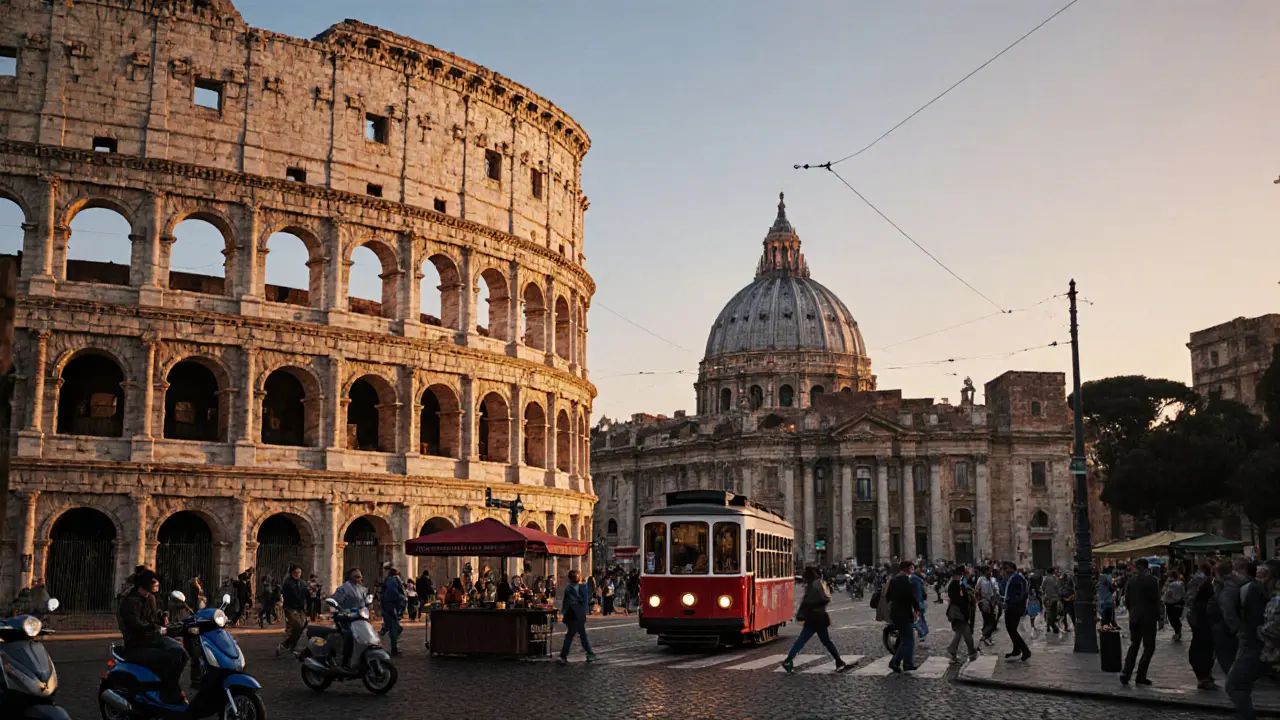
- Colosseum - the ancient arena where gladiators fought. Book a combo ticket with the Roman Forum and Palatine Hill to walk the entire archaeological zone in one go.
- Vatican Museums - home to the Sistine Chapel ceiling painted by Michelangelo. Early morning entry (first slot at 9 am) avoids the bulk of crowds.
- Pantheon - a 2,000‑year‑old temple turned church, famous for its massive dome and oculus.
- Spanish Steps - a perfect place for people‑watching; climb to the Trinità dei Monti church for a view over the piazza.
2. Off‑The‑Beaten‑Path Gems
If you’re looking for a fresh perspective, head to these neighborhoods and sites that often sit under the radar.
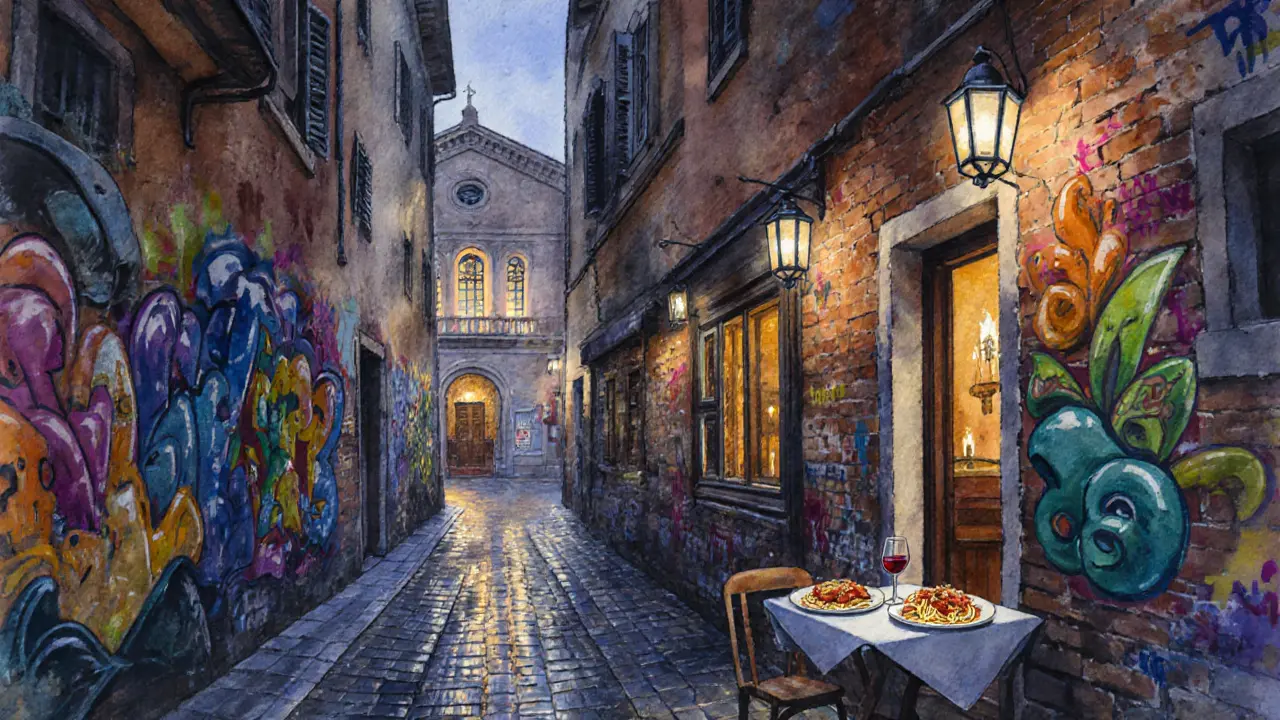
- Trastevere - narrow cobblestone lanes, street art, and some of the city’s best trattorias. Don’t miss the Basilica of Santa Maria in Trastevere.
- Testaccio - a food lover’s playground where you can taste authentic Roman pizza al taglio and the famous cacio e pepe.
- Villa Borghese Gardens - a sprawling park with lakes, bike rentals, and the Galleria Borghese, which houses Bernini’s sculptures.
- Piazza Navona - while popular, the surrounding side streets hide charming artisan shops and quiet fountains.
3. Food & Drink Experiences
Rome’s culinary scene is as diverse as its architecture. Here are the bites you can’t skip.
- Morning espresso at a historic bar like Caffè Greco near the Spanish Steps.
- Lunch of carbonara or cacio e pepe in a family‑run trattoria in Trastevere.
- Gelato at Giolitti - a classic spot with over a hundred flavors.
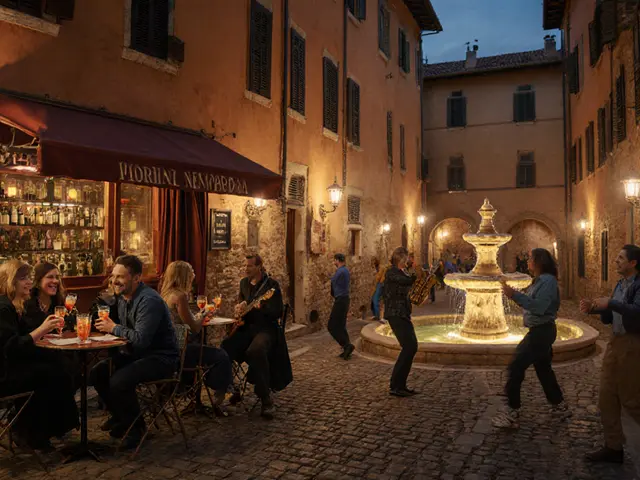
- Aperitivo in the Piazza di Spagna; sip a spritz while watching the sunset over the city’s rooftops.
4. Sample One‑Day Itinerary
Perfect for travelers on a tight schedule.
- 08:00 - Grab a quick croissant and cappuccino at a nearby bakery.
- 09:00 - Beat the crowds at the Colosseum. Allocate 90 minutes.
- 11:00 - Walk through the Roman Forum and climb Palatine Hill.
- 13:00 - Lunch in Trastevere - try the supplì (fried rice balls).
- 15:00 - Visit the Pantheon and nearby Piazza Navona.
- 17:00 - Stroll up the Spanish Steps, enjoy an espresso.
- 19:30 - Dinner at a rooftop restaurant overlooking the city, such as La Pergola (reservation required).
5. Sample Two‑Day Itinerary
For those who want a deeper dive.
Day 1 - Ancient Rome
- Morning: Colosseum + Roman Forum.
- Afternoon: Capitoline Museums (art and Roman history).
- Evening: Walk along the Tiber, dinner in Testaccio.
Day 2 - Baroque & Vatican
- Morning: Early entry to Vatican Museums and St. Peter’s Basilica.
- Midday: Lunch in the Vatican area - try the maritozzo pastry.
- Afternoon: Explore the historic centre - Pantheon, Piazza Navona, and Spanish Steps.
- Evening: Sunset at Villa Borghese gardens, followed by a dinner of fresh seafood in the nearby Parioli district.
6. Practical Tips for a Smooth Visit
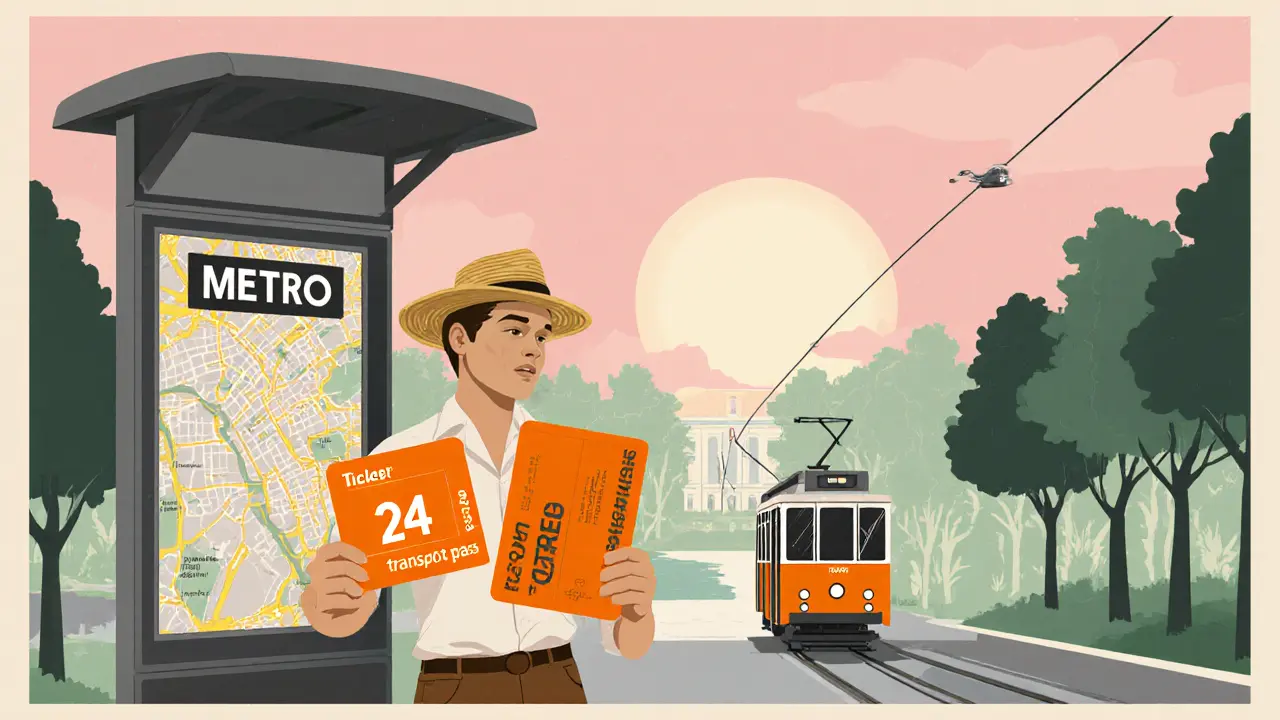
- Transportation: Use the Metropolitana (Line A, B, C). A 24‑hour ticket costs €7 and covers buses, trams, and metro.
- Tickets: Purchase online for major sites (Colosseum, Vatican Museums) to avoid queues. Consider a Roma Pass for discounts on museums and free public transport.
- Dress code: For churches (e.g., Pantheon, Vatican) cover shoulders and knees.
- Language: English is widely understood in tourist areas, but learning a few Italian phrases ("Grazie", "Per favore") earns smiles.
- Safety: Watch for pickpockets in crowded squares; keep valuables in a front pocket.
| Category | Must‑See | Hidden Gem |
|---|---|---|
| Ancient | Colosseum | Baths of Caracalla |
| Renaissance | Pantheon | Santa Maria del Popolo |
| Baroque | Spanish Steps | Church of San Luigi dei Francesi |
| Green Spaces | Villa Borghese | Giardino degli Aranci (Orange Garden) |
7. Frequently Asked Questions
When is the best time to visit Rome?
April to June and September to October offer mild weather and fewer tourists than July‑August. Spring also brings blooming gardens, perfect for a stroll in Villa Borghese.
Do I need a reservation for the Vatican Museums?
Yes. Tickets sell out weeks in advance, especially for the early morning slot. Booking online guarantees entry and lets you skip the ticket line.
Is public transport reliable for getting around the city?
Rome’s metro and bus network cover most attractions. Trams are useful in the historic centre where traffic is limited. A 24‑hour or 48‑hour pass is the most cost‑effective option.
Can I walk between the major sights?
Absolutely. The historic centre is compact; most landmarks are within a 10‑minute walk of each other. Walking lets you discover hidden alleys and spontaneous street performances.
What’s a typical budget for a 2‑day stay?
For mid‑range travelers, expect €150‑200 per day for accommodation, meals, transport, and entry fees. Backpackers can trim costs by staying in hostels and opting for free sights like the Pantheon.