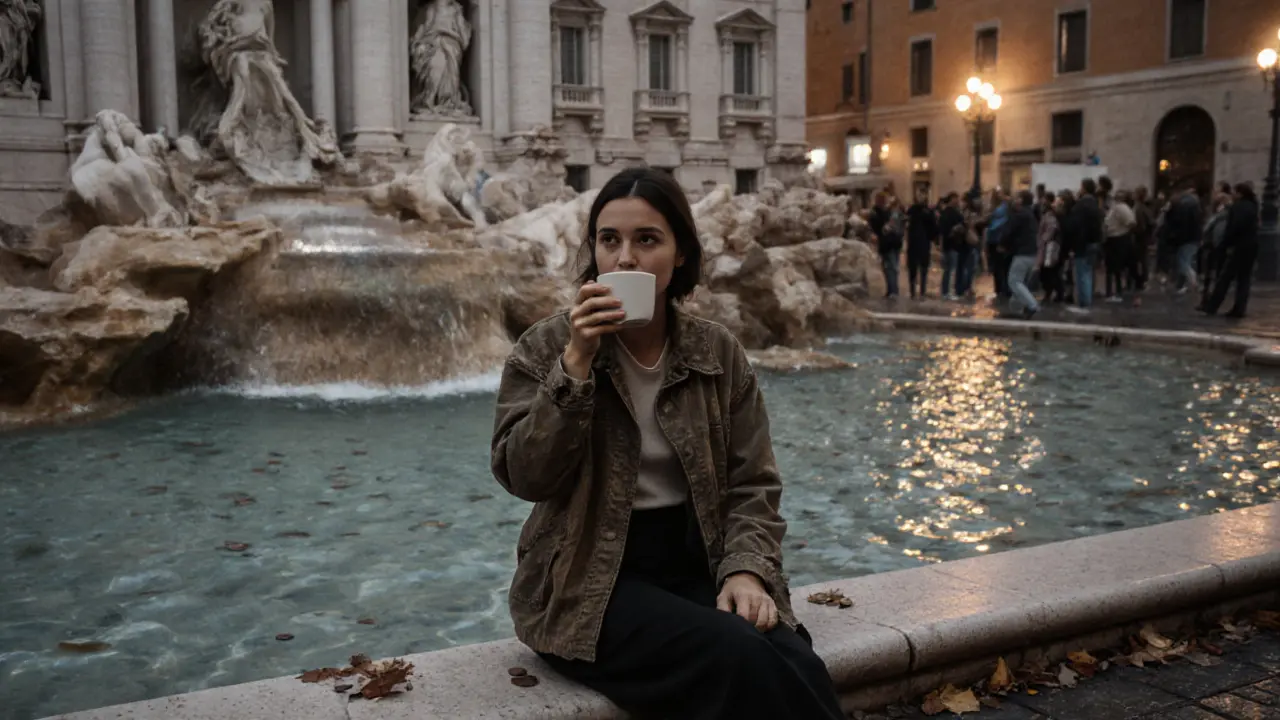
Federica Tommasi didn’t start out wanting to be a star. She started out wanting to eat. That’s how she told it, anyway-sitting on a bench near the Trevi Fountain in 2018, sipping espresso, watching tourists toss coins and wish for things she’d already learned not to believe in.
She was 22. Her parents had split. Her scholarship at the University of Rome had run out. She had two changes of clothes, a laptop with no charger, and a voice that could make strangers stop walking. That voice got her gigs-karaoke bars, street performances, then a few low-budget music videos. But none of it paid rent. So when a producer from a small adult studio approached her after one of her late-night sets near Piazza Navona, she didn’t say no. She asked how soon she could start.
That was the beginning of Roman Nights.
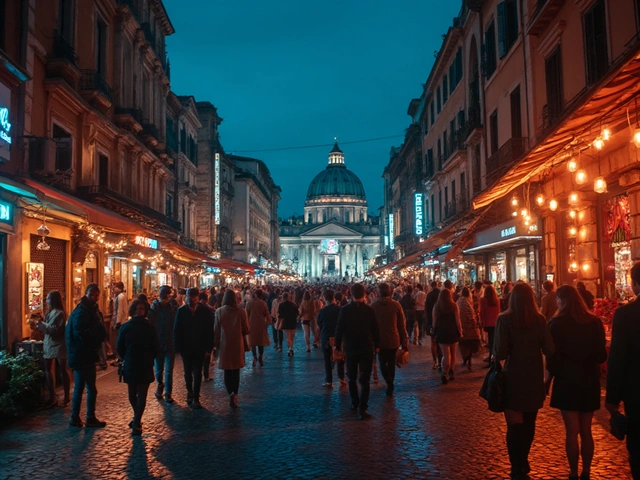
Not the name of a club. Not a tour. Not a brand. Just the way people started talking about her work. Federica Tommasi’s Roman Nights became shorthand for the kind of intimate, cinematic adult content that felt like a secret whispered in the back of a Trastevere wine bar. No flashy sets. No forced scripts. Just her, a camera, and the quiet glow of Roman streetlights filtering through her apartment window.
She filmed in real locations. The rooftop of her old building near Campo de’ Fiori. The empty courtyard of a 17th-century palazzo she rented for €300 a month. The back alley behind the Spanish Steps where the pigeons didn’t mind if you talked too loud. She didn’t hide her accent. She didn’t try to sound American. She spoke Italian, sometimes English, sometimes both at once. Her audience noticed. They said it felt real. Like they were there.
By 2021, she was turning down offers from major studios. Not because she didn’t want the money. But because she didn’t want the control. One producer told her she’d make ten times more if she’d just wear a wig and change her name to something easier for American search engines. She laughed and said, "My name is Federica Tommasi. It’s Italian. It’s mine. If you don’t like it, go find someone else."
Her fans didn’t care about names. They cared about presence. She didn’t perform. She showed up. And that made all the difference.
She never used a body double. Never hired a stylist. Never let anyone touch her hair before a shoot. She kept her natural curls. Her freckles. The scar on her left knee from a bike accident when she was 14. She said those things weren’t flaws-they were proof she’d lived. And her audience responded. Her subscriber count hit 180,000 in 2022. Then 300,000. Then 500,000. All organic. No paid ads. No influencers. Just word of mouth, late-night Reddit threads, and Instagram stories that disappeared after 24 hours.
She didn’t post on social media to promote. She posted to remember. A photo of her eating gelato at 3 a.m. after a shoot. A video of her arguing with a taxi driver in broken Italian. A selfie with the Colosseum behind her, captioned: "Still here. Still me."
By 2024, she was being interviewed by Italian newspapers-not the tabloids, but the serious ones. La Repubblica ran a feature titled "The Woman Who Turned Rome Into a Stage." The article didn’t mention her work directly. It talked about her independence, her refusal to be packaged, her quiet rebellion against the idea that women in adult entertainment have to become someone else to be paid.
She turned down a Netflix documentary offer. Said she didn’t want to be someone’s story. She wanted to keep being herself.
She still lives in the same apartment near Trastevere. Still walks to the market every morning. Still gets recognized. Sometimes people ask for photos. Sometimes they just nod. Once, an old man in a wool coat stopped her near Ponte Sisto and said, "You remind me of my daughter. She used to sing in this city too. Before she got sick." He didn’t say anything else. Just handed her a small wrapped chocolate and walked away.
She keeps it on her nightstand.
She doesn’t talk about money. But people say she makes enough to live without stress. Enough to pay off her parents’ debts. Enough to fund a small film school for girls in southern Italy. She doesn’t advertise it. No website. No press release. Just a single Instagram story in 2023 showing a classroom full of girls holding cameras, smiling. The caption: "They don’t need to be stars. Just themselves."
There are no interviews where she says, "I’m proud of what I do." But there are dozens where she says, "I’m proud of who I am."
She doesn’t plan to retire. She doesn’t plan to expand. She doesn’t want to be a brand. She wants to keep filming in the same rooms, with the same light, with the same quiet honesty. She says the city gives her everything she needs. The silence between the traffic. The way the moon hits the Tiber at midnight. The way people still look at her like she’s something ordinary-even when they know she’s not.
That’s the thing about Federica Tommasi’s Roman Nights. It’s not about sex. It’s about being seen. Not as a fantasy. Not as a product. But as a person-flawed, real, and stubbornly alive in a city that’s seen a thousand stars come and go.
She’s still here.