Michelle Ferrari didn’t become a star because of a casting call or a viral video. She became one because Rome changed how she saw herself.
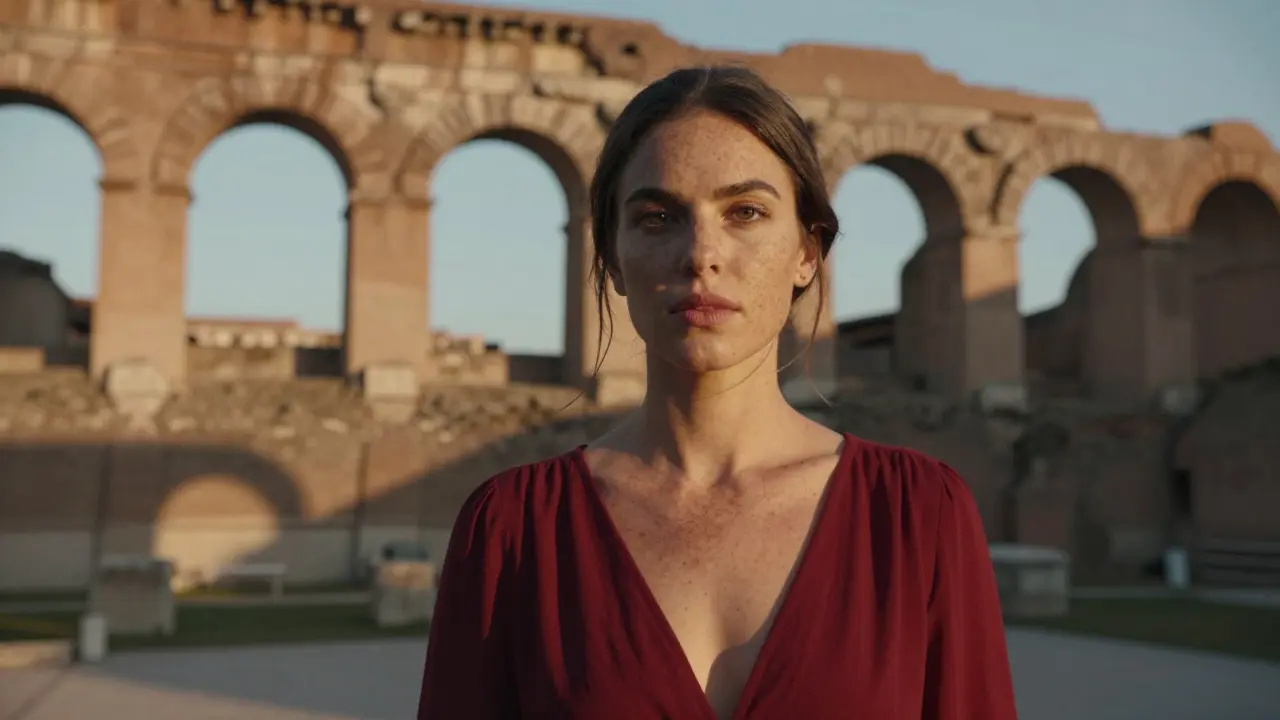
Before she moved to the city in 2018, Ferrari was working in Milan as a model, doing fashion shoots and occasional commercials. She was good-professional, polished, predictable. But something was missing. She didn’t feel alive in front of the camera. Then she took a weekend trip to Rome on a whim, just to see the Colosseum. That trip changed everything.
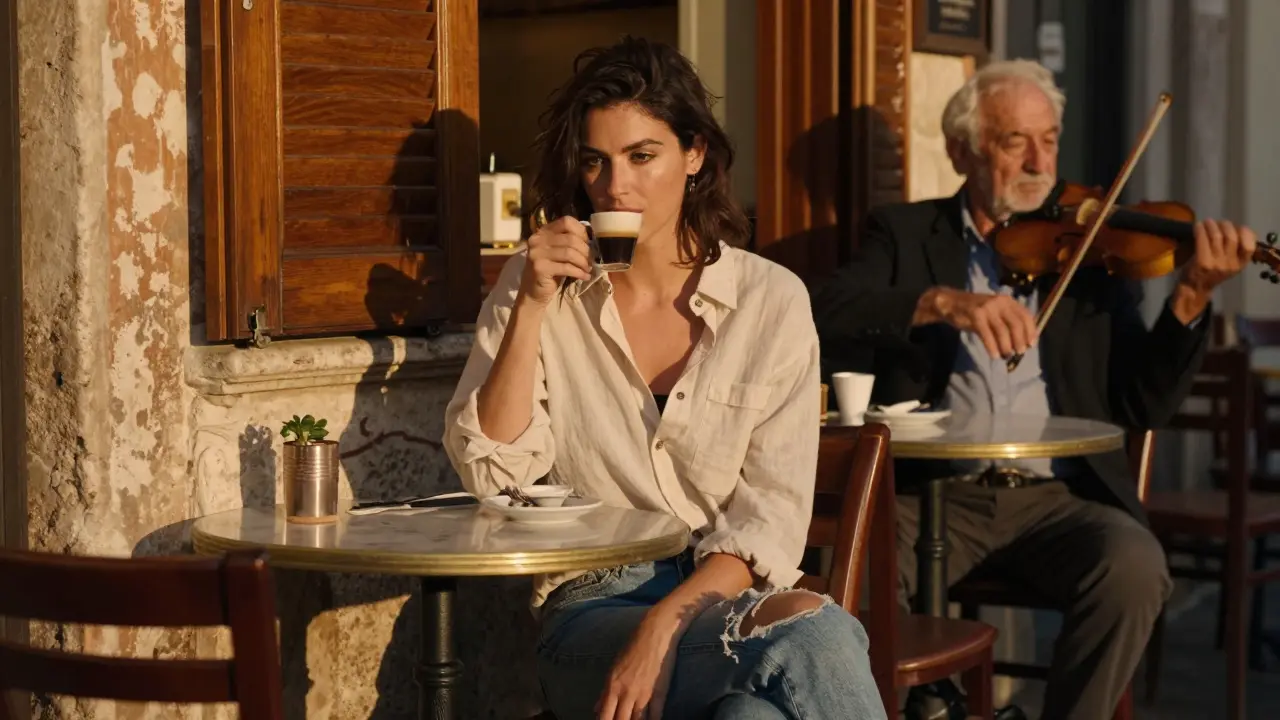
Rome doesn’t ask you to be perfect. It doesn’t care if your hair is styled or your makeup is flawless. It rewards presence. It rewards confidence that doesn’t need to shout. Ferrari noticed this the first time she sat at a café in Trastevere, sipping espresso while an elderly man played violin nearby. No one was watching her. No one cared. And yet, she felt more seen than she ever had in a studio with ten lights and a director yelling "action."
Rome’s Unwritten Rules of Presence
Rome teaches you how to occupy space without trying. There’s no pressure to perform. No need to pose. You just… exist. And in that existence, you become magnetic.
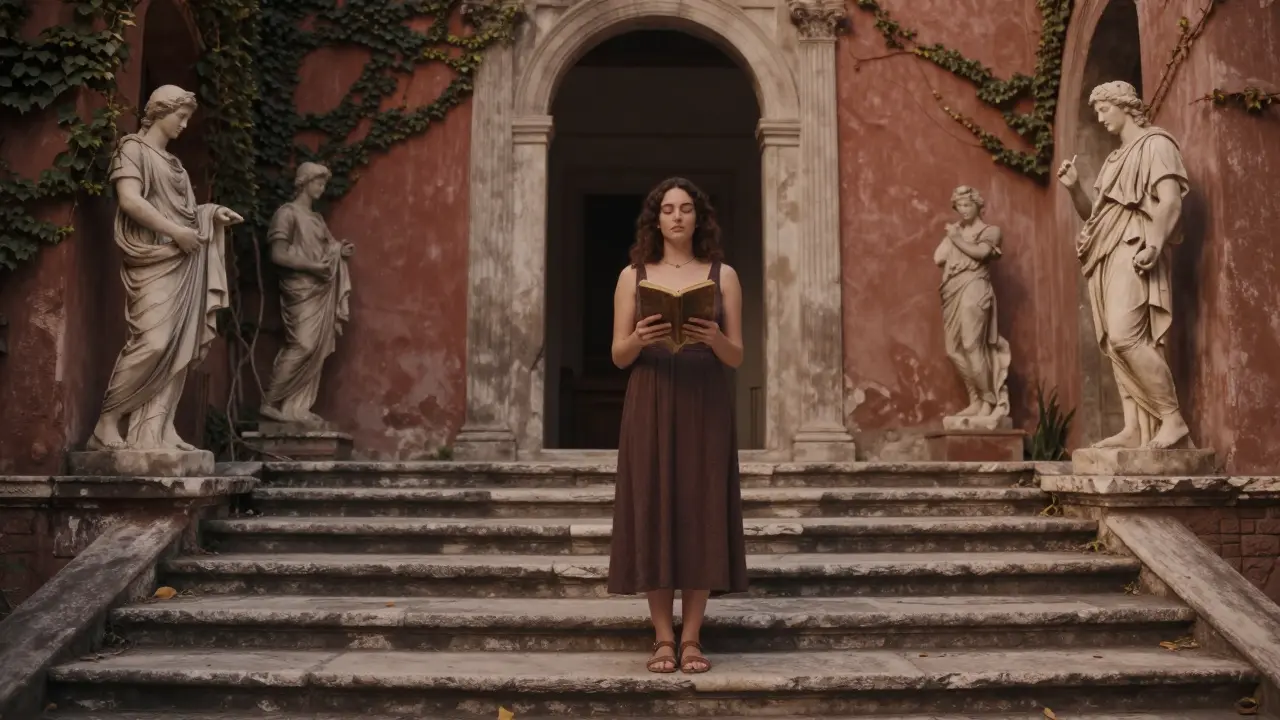
Ferrari started walking differently after that first trip. She stopped checking her reflection in shop windows. She stopped adjusting her clothes every five minutes. She began wearing what felt right-not what looked right. A loose linen shirt. A pair of worn-in jeans. No heels. Just sandals. She carried a book instead of a phone. People noticed. Not because she looked like a model, but because she looked like someone who knew who she was.
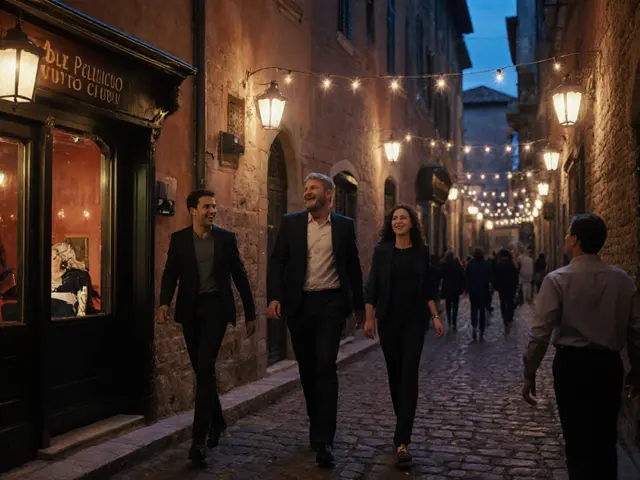
This shift wasn’t about fashion. It was about rhythm. Rome moves at its own pace. The piazzas aren’t rushed. The alleys aren’t designed for efficiency. They’re designed for discovery. Ferrari started filming scenes with a new kind of stillness. Directors noticed. One told her, "You don’t act. You inhabit." She didn’t know it then, but Rome had taught her how to be real on camera.
The Colors of Rome, The Colors of Her Work
Italian light is different. It doesn’t hit flat. It rolls off stone, spills off marble, glows through shutters. Ferrari began noticing how shadows moved across ancient walls during golden hour. She started asking cinematographers to use natural light more-no more harsh studio lamps. She wanted the soft, uneven glow you get when sunlight filters through a 2,000-year-old arch.
Her scenes began to feel warmer. More textured. Less like fantasy, more like memory. She wore deep reds and burnt ochres-colors you see on Roman terracotta rooftops. She avoided bright neon or synthetic whites. Instead, she let skin tones breathe. She let imperfections show. A freckle. A scar. A strand of hair out of place. These weren’t mistakes. They were signatures.
Her most talked-about scene, filmed in the ruins of the Baths of Caracalla, used no artificial lighting. Just one camera, one window, and the late afternoon sun. The video went viral-not because of what happened, but because of how it felt. Viewers said it looked "like a painting you could step into."
Language, Silence, and the Power of Not Speaking
Ferrari learned Italian slowly. Not for fluency. For rhythm. She noticed how Romans spoke in pauses. How a sentence could end with a sigh. How silence wasn’t empty-it was full.
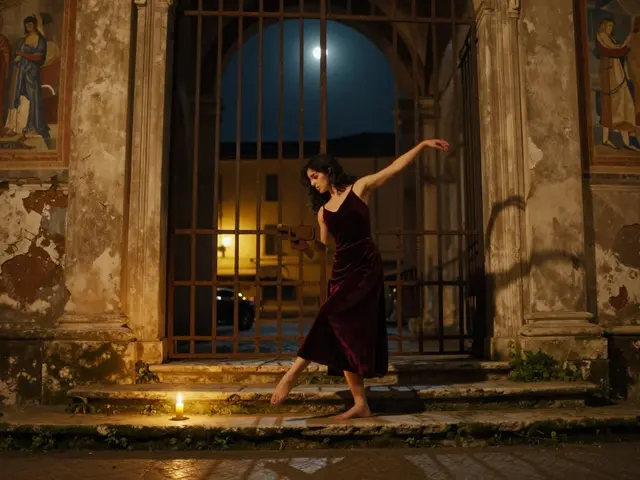
In her early films, she spoke a lot. Too much. She thought dialogue made her more relatable. After living in Rome for a year, she started cutting lines. Letting moments breathe. In one scene, she simply stared at a candle flame for 90 seconds. No words. No music. Just the flicker. The audience didn’t look away.
She began working with directors who understood silence. Who knew that tension doesn’t come from what’s said, but from what’s held back. Rome had taught her that the most powerful communication often happens without sound.
History as a Mirror, Not a Backdrop
Rome isn’t just a city. It’s a mirror that shows you what’s been here before-and what still matters.
Ferrari started visiting museums on her days off. Not to take photos. To sit. To watch how people interacted with ancient art. She saw a woman in the Vatican Museums, crying quietly in front of a statue of Venus. Not because it was beautiful. Because it was timeless. That moment stuck with her.
She began choosing locations with history-not just for their look, but for their weight. A chapel in Monti. A courtyard in Campo de’ Fiori. A stone staircase in Testaccio. These places didn’t need to be glamorous. They needed to carry meaning.
Her work started to feel less like performance and more like ritual. She stopped trying to seduce. She started inviting. And that made all the difference.
What Rome Gave Her That Hollywood Couldn’t
Hollywood teaches you to sell yourself. Rome taught her to be herself.
In Los Angeles, she was told to be more "accessible." More "marketable." More "relatable." In Rome, she was told to be more "herself."
She stopped chasing trends. She stopped copying other performers. She stopped trying to be what the industry wanted. And suddenly, she became what people needed.
Her audience grew-not because she was more provocative, but because she was more honest. She didn’t pretend to be flawless. She didn’t hide her age. She didn’t apologize for her body. She showed up exactly as she was. And Rome had shown her that was enough.
Today, she films in Rome almost exclusively. She works with local crews. She trains new performers in the city’s quiet philosophy: presence over performance. Authenticity over polish. Depth over dazzle.
She doesn’t call herself an icon. She doesn’t need to. She just shows up. And Rome lets her.