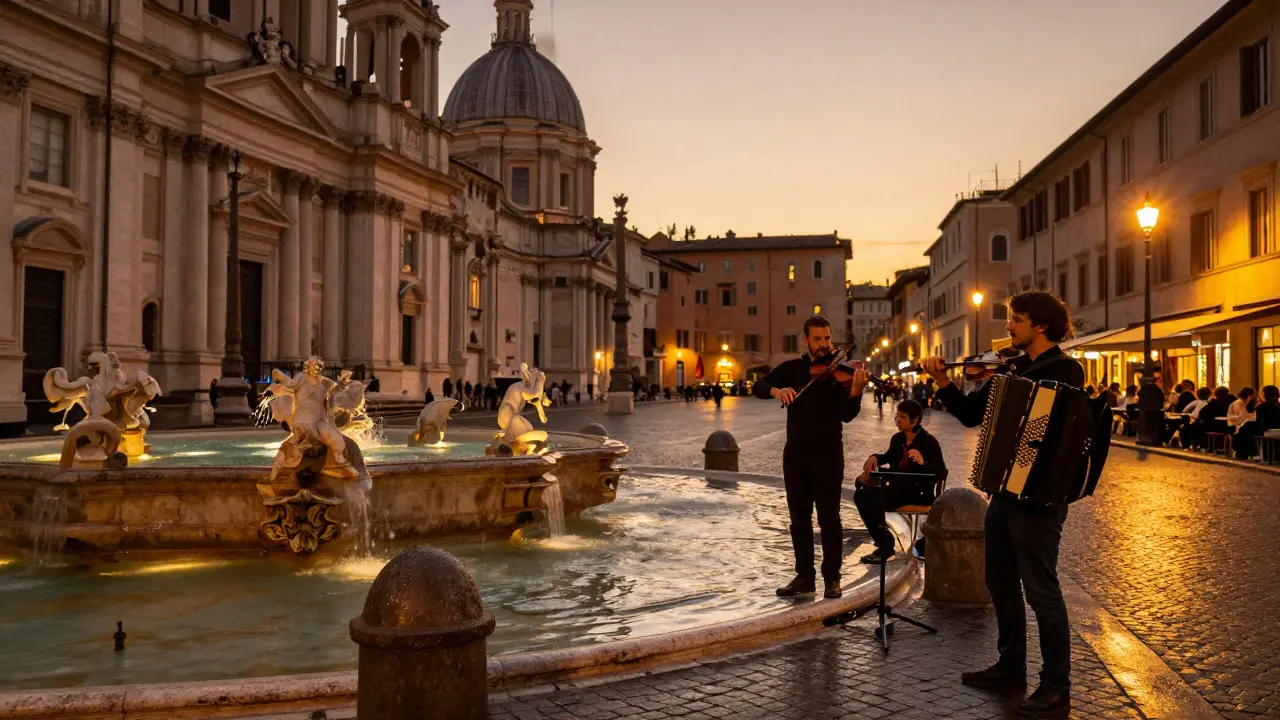
If you’ve ever dreamed of walking where emperors once strode, Rome isn’t just a city-it’s a living museum with streets that hum with 2,700 years of history. You don’t need a tour guide to feel it. Just stand in the middle of the Piazza Navona at sunset, listen to the street musicians, and watch the light hit the fountains. That’s when you realize: this place doesn’t just show you history. It breathes it.
The Colosseum: More Than a Ruin
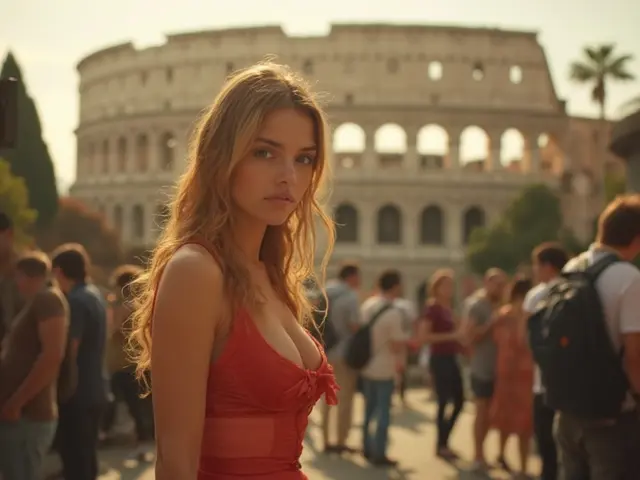
The Colosseum isn’t just the biggest amphitheater in the ancient world-it’s the reason Rome became famous. Built in 80 AD, it held 50,000 spectators who cheered for gladiators, wild animal hunts, and even mock naval battles. Today, you can walk through the same tunnels where gladiators waited, and stand where the emperor once watched the games.
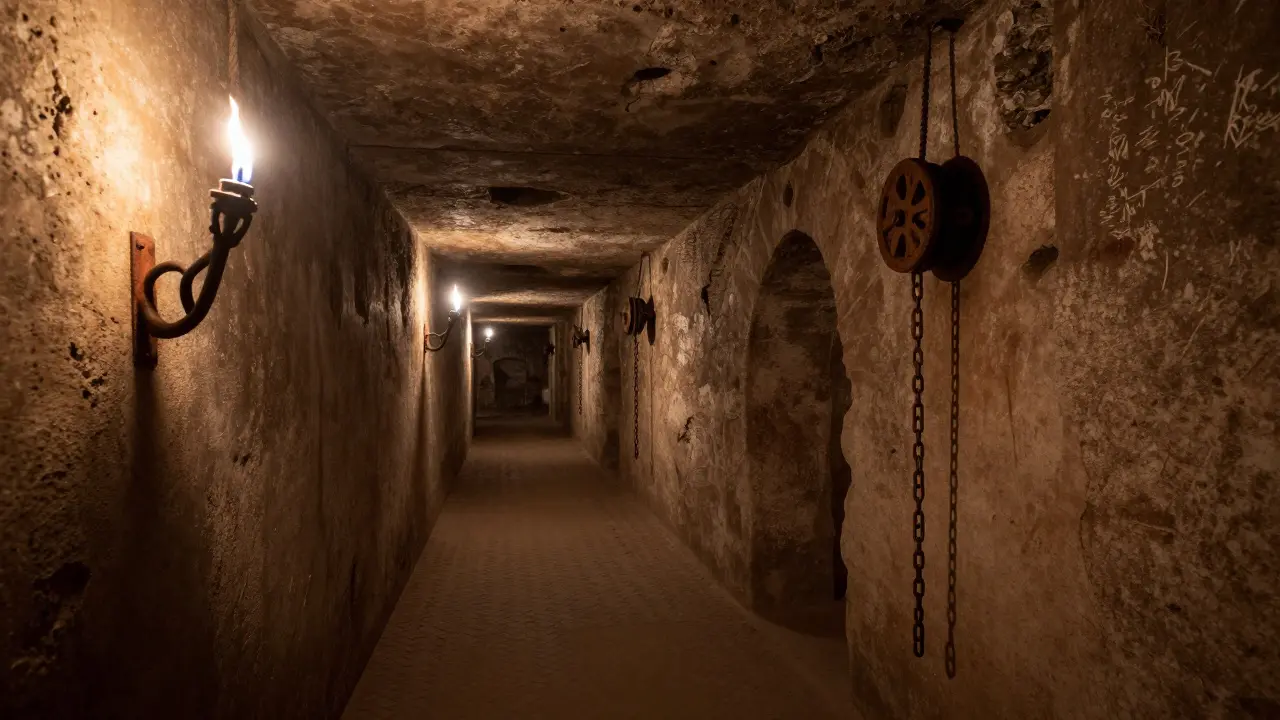
Most visitors just snap a photo from outside. But if you want to really get it, book a guided tour that includes the underground level. That’s where the cages held lions, bears, and condemned prisoners. You’ll see the ropes and pulleys still embedded in the stone. The air down there feels different-cooler, heavier. It’s not just history you’re walking through. It’s silence.
Vatican Museums and St. Peter’s Basilica: Art That Moves Souls
The Vatican Museums hold over 70,000 works of art, but you don’t need to see them all. The Sistine Chapel is the one you can’t skip. Michelangelo painted the ceiling over four years, lying on his back, often in pain. Look closely at the Creation of Adam. The gap between God’s finger and Adam’s isn’t just artistic-it’s intentional. It’s the moment before life begins.
After the chapel, walk into St. Peter’s Basilica. The dome is the tallest in the world, and the view from the top? Worth every step of the 551 stairs. You’ll see the entire city spread out below you, and you’ll understand why Renaissance popes wanted to build something that made God feel close.
Pro tip: Visit early. Lines for the Vatican start forming by 7 a.m. If you come at 9 a.m., you’ll wait two hours. At 7:30 a.m., you’ll be inside by 8:15.
Trevi Fountain: Don’t Just Throw a Coin
Everyone knows you throw a coin into the Trevi Fountain to guarantee a return to Rome. But most people don’t know how to do it right. Stand with your back to the fountain. Toss the coin over your left shoulder with your right hand. One coin for return. Two for love. Three for marriage.
And yes, the water is clean. The city filters and recycles it daily. The coins? Over €1.5 million a year. That money funds a local charity that feeds Rome’s homeless. So when you toss that coin, you’re not just making a wish. You’re helping someone eat.
The Pantheon: Architecture That Defied Time
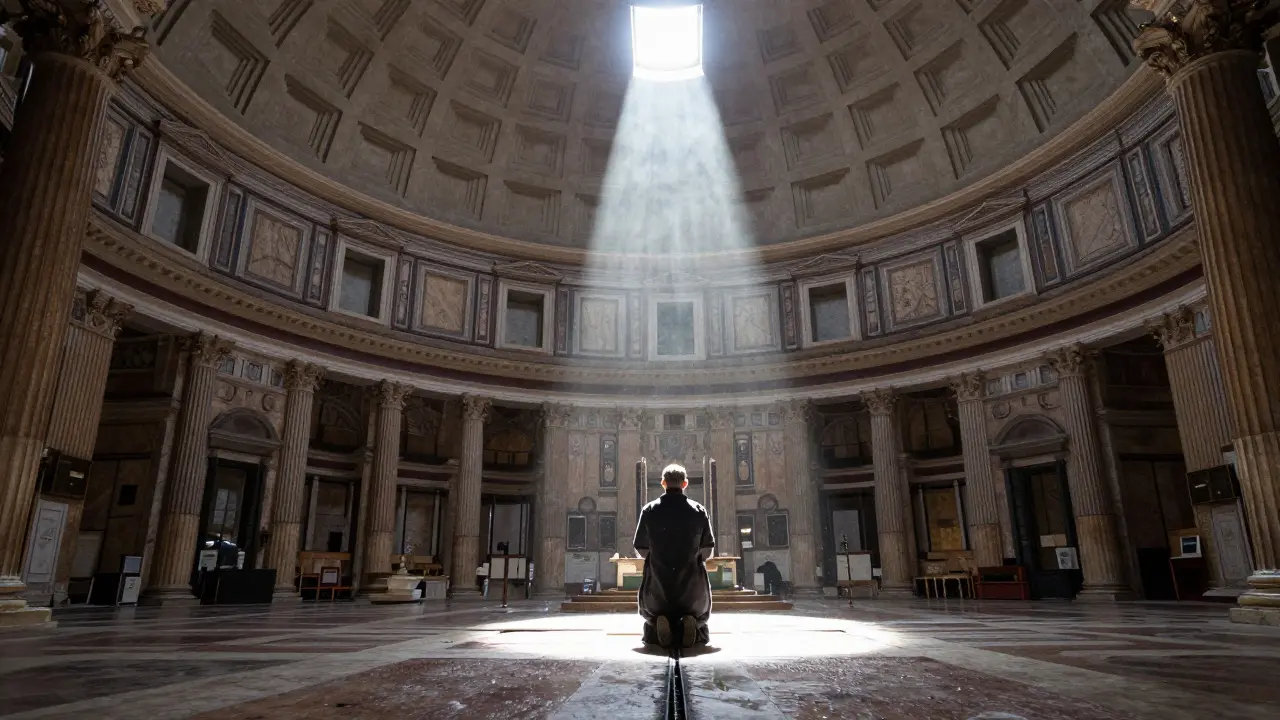
Two thousand years ago, Roman engineers built a dome with no reinforcement. No steel. No rebar. Just concrete, pumice, and perfect geometry. The Pantheon’s dome is still the world’s largest unreinforced concrete dome. And the hole at the top? That’s the oculus. It’s the only light source. Rain comes in. Sun comes in. The Romans designed it to move with the sun’s path-on April 21st, Rome’s founding day, sunlight hits the entrance exactly at noon.
It’s not a temple anymore. It’s a church. And it’s still used. Mass is held here. Weddings happen here. The acoustics are so perfect, you can hear a whisper from one side to the other. Walk inside, look up, and feel the weight of centuries.
Roman Forum: Where Politics Was Made
Walk through the Roman Forum and you’re standing on the original center of the empire. This wasn’t just a marketplace. It was the heart of power. Senators debated laws here. Orators like Cicero gave speeches that moved crowds to riot. Julius Caesar’s funeral pyre burned right here.
Today, you’ll see crumbling columns, broken statues, and foundations of temples. But if you know where to look, you can still trace the path of the Sacred Way-the road that led from the Colosseum to the Capitoline Hill. That’s where triumphal parades ended. Generals came here to kneel before the Senate. You can still see the grooves in the stone from the wheels of their chariots.
Bring a map. Or download the free app from the Archaeological Park of the Colosseum. It shows you exactly where each building stood. Otherwise, you’ll just see rocks. With context, you’ll see a civilization.
Castel Sant’Angelo: A Fortress, a Tomb, a Prison
Castel Sant’Angelo looks like a castle. But it started as a tomb. Emperor Hadrian built it in 139 AD to hold his ashes. Over time, it became a fortress, a papal refuge, and a prison. Pope Alexander VI used secret tunnels to escape here during attacks. In 1527, when Rome was sacked, the Pope ran through a passageway to safety.
Today, you can walk the same corridors. See the cells where prisoners waited for execution. The chapel where popes prayed before fleeing. The rooftop terrace? One of the best views of the Tiber River and St. Peter’s. Sunset here is quiet. No crowds. Just the wind and the river below.
Trastevere: Rome’s Soul Outside the Tourist Zones
The Colosseum and Vatican are must-sees. But Rome’s real heartbeat is in Trastevere. This neighborhood doesn’t look like ancient Rome. It looks like a movie set-narrow cobblestone streets, ivy-covered buildings, tiny restaurants with red-checkered tablecloths.
Go at night. The alleys fill with locals eating pasta, drinking wine, laughing. No one’s posing for photos. No one’s selling postcards. Just families. Friends. Music drifting from open windows. Try Trattoria Da Enzo. The cacio e pepe is simple. Just cheese, pepper, pasta. But it’s the best in the city. Because it’s made by a woman who’s cooked here since 1982.
Trastevere isn’t a sight. It’s a feeling. And it’s the reason people fall in love with Rome-not because of its ruins, but because of its life.
What You Won’t See on Instagram
Most guidebooks list the same five spots. But Rome has layers. Go to the Appian Way. Walk the ancient road where Roman soldiers marched. See the tombs of wealthy families carved into the rock. The stones are cracked. The grass grows between them. It’s quiet. No crowds. Just you and the ghosts of the past.
Or visit the Catacombs of San Callisto. Walk through tunnels where early Christians buried their dead. The walls are covered in simple carvings-fish, doves, anchors. Symbols of hope. No grand statues. No gold. Just faith in the dark.
And if you’re there on a Sunday morning, go to the Campo de’ Fiori market. It’s not just fruit and cheese. It’s a slice of daily Roman life. Vendors call out prices in Roman dialect. Old women haggle over tomatoes. The smell of fresh basil and espresso fills the air. This isn’t a tourist show. It’s real.
How many days do I need to see Rome’s top attractions?
Three full days is the sweet spot. Day one: Colosseum, Roman Forum, Palatine Hill. Day two: Vatican Museums, St. Peter’s, Castel Sant’Angelo. Day three: Trevi Fountain, Pantheon, Trastevere. You can squeeze it into two days, but you’ll rush. Rome rewards slow walking.
Is it better to book tickets in advance?
Absolutely. The Colosseum and Vatican Museums sell out daily. Booking online saves you hours in line. The Vatican even lets you skip the main entrance and enter through a separate gate. For the Colosseum, choose a timed entry slot-preferably early morning or late afternoon. The light is better, and the crowds are thinner.
Can I visit all these places in one day?
Technically, yes. But you’ll be exhausted, and you’ll miss the point. Rome isn’t a checklist. It’s a mood. Trying to cram in the Colosseum, Vatican, Trevi, Pantheon, and Trastevere in one day means you’ll be rushing from one spot to the next. You won’t feel the history. You’ll just take photos. Spend at least half a day at each major site.
What’s the best way to get around Rome?
Walk. Seriously. Most attractions are within 2-3 kilometers of each other. If you need to cover more ground, take the Metro Line A (Colosseum to Ottaviano) or the number 64 bus (Vatican to Termini). Avoid taxis unless you’re going far. Traffic is slow, and drivers often don’t use meters. A 10-euro ride can take 45 minutes.
Are there free attractions in Rome?
Yes. The Pantheon is free to enter (unless you’re going to the rooftop museum). The Spanish Steps, Piazza Navona, and Campo de’ Fiori are always open. The gardens of Villa Borghese are free to wander. And if you go on the first Sunday of the month, many state museums-including the Colosseum and Vatican Museums-are free. But expect crowds.
Final Thought: Rome Doesn’t Ask for Your Time-It Demands Your Attention
You don’t come to Rome to check boxes. You come to feel something. To stand in a place where history isn’t behind glass. It’s under your feet. Above your head. In the smell of espresso. In the echo of footsteps on ancient stone. The Colosseum, the Pantheon, the Trevi Fountain-they’re not just sights. They’re invitations. To pause. To wonder. To remember that people once built things meant to last.
So take your time. Sit on the steps of the Spanish Steps. Let the sun warm your back. Watch the pigeons circle the dome of St. Peter’s. Rome won’t hurry you. It’s been waiting for 2,700 years. It can wait a little longer.