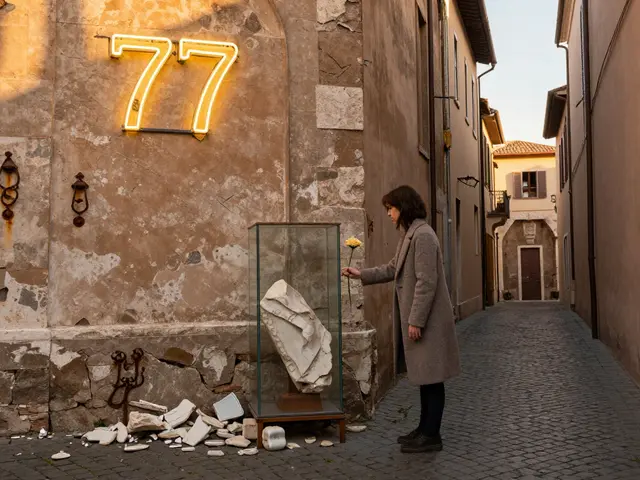
There’s a reason millions of people come to Rome every year. It’s not just the history. It’s not just the food. It’s the way the city feels alive under your feet - cobblestones worn smooth by centuries, the scent of fresh espresso drifting from a corner bar, the echo of footsteps in an ancient courtyard where emperors once walked. Rome doesn’t just show you its past. It lets you live in it.
Start at the Colosseum - But Don’t Just Take a Photo
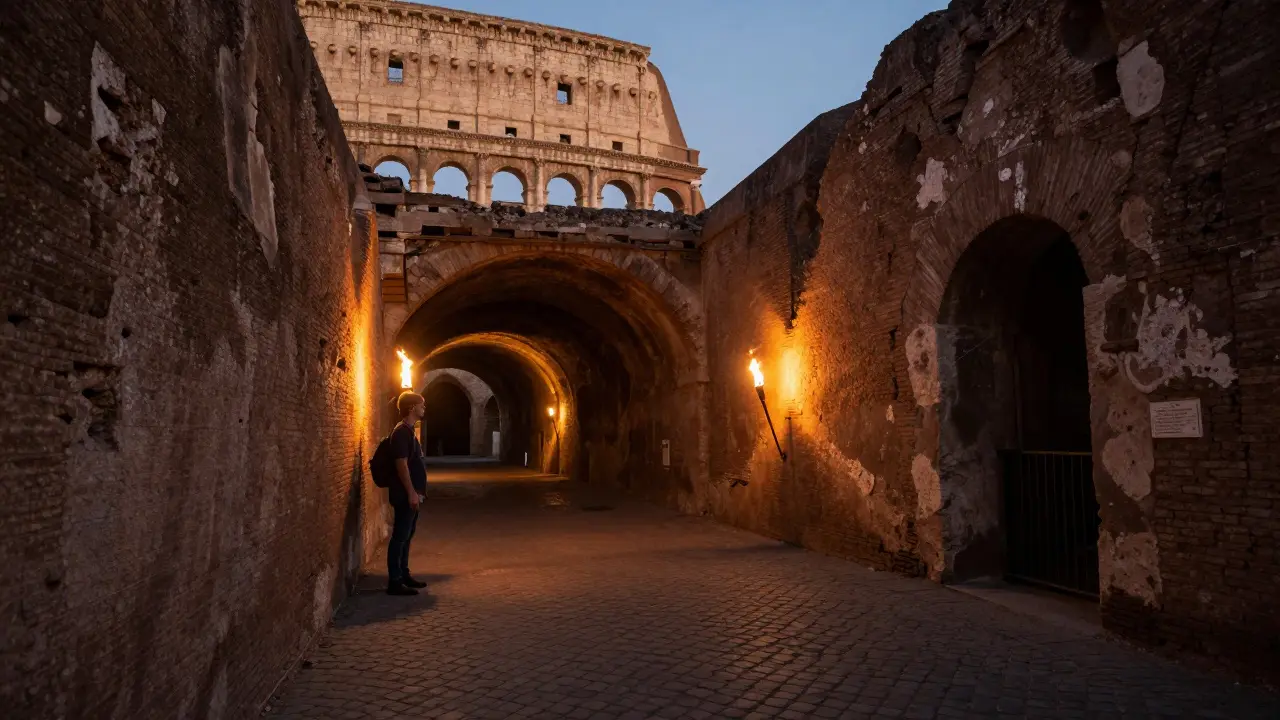
The Colosseum is the most obvious stop, but most people miss what makes it special. You can stand outside and snap a picture, sure. But if you want to understand why this place still matters, go inside. Book a guided tour that includes the underground tunnels and the third tier. The tunnels are where gladiators waited before stepping into the arena. The third tier? That’s where regular citizens sat - not the elite, not the senators, just ordinary people who came to be entertained. You’ll see how the Romans engineered crowd control, drainage, and even a retractable awning to shield spectators from the sun. It’s not just ruins. It’s a working machine from 80 AD.
Walk Through the Roman Forum Like a Local
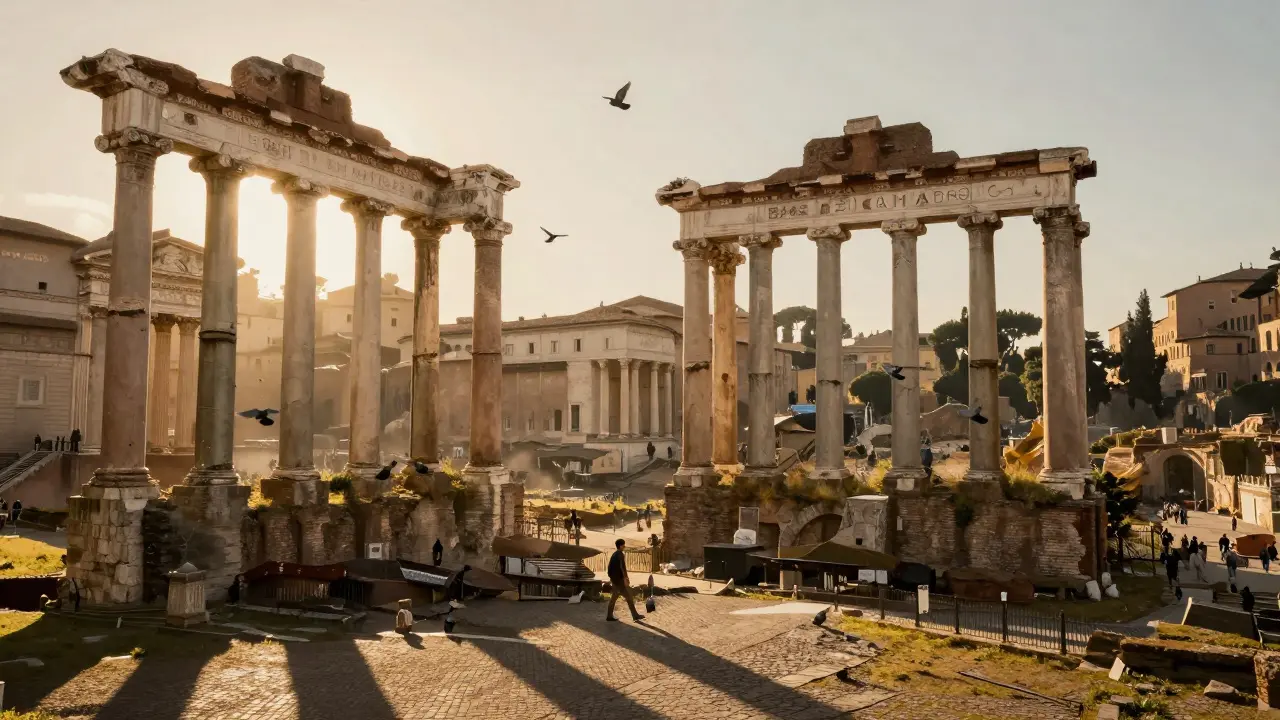
Right next to the Colosseum, the Roman Forum is often rushed through. People think it’s just a bunch of broken columns. But this was the heart of ancient Rome - the political center, the marketplace, the stage for speeches, trials, and triumphs. Walk the Via Sacra, the original road that led to the Temple of Jupiter. Stop at the Temple of Saturn. Look at the Rostra, where Cicero once stood and spoke against Catiline. There’s no sign that says, “This is where history happened.” You just feel it. Bring a map or download an app with audio narration. Without context, it’s just stones. With context, it’s a time machine.
Get Lost in the Vatican Museums - But Skip the Crowds
The Sistine Chapel gets all the attention. And yes, Michelangelo’s ceiling is breathtaking. But the Vatican Museums hold over 70,000 pieces - and most tourists never see 1% of them. Skip the main entrance lines. Book a sunrise entry (7:00 AM) and you’ll have the Raphael Rooms almost to yourself. Wander through the Gallery of Maps, where 40 hand-painted maps of Italy hang on the walls. See the Borgia Apartments, decorated with frescoes that show how popes used art to show power. The real secret? The Pio-Clementino Museum. It’s quieter, filled with statues of gods and philosophers - and it’s where you’ll find the Laocoön, a sculpture so dramatic it made Michelangelo cry.
Throw a Coin in the Trevi Fountain - But Do It Right
Everyone throws a coin in the Trevi Fountain. But most do it wrong. You don’t just toss it over your shoulder. Stand with your back to the fountain. Use your right hand to toss the coin over your left shoulder. Do it once for a return to Rome. Twice if you want to fall in love here. Three times if you want to find love and come back. And don’t use your phone to take a selfie while you’re doing it - the line is long, and the moment is sacred. The fountain itself? It’s Baroque theater. The statue of Oceanus, the horses, the rocks - it’s all designed to make you feel like you’re standing at the edge of the sea. The water? It’s filtered and safe. The coins? Over €3,000 a day. That money goes to charity. You’re not just making a wish. You’re helping feed the hungry.
Visit the Pantheon - And Look Up
The Pantheon is the oldest building in the world still in daily use. Built in 126 AD, it’s still a church today. But what makes it mind-blowing isn’t the history. It’s the dome. It’s 43.3 meters wide - and it’s made of concrete. No steel. No reinforcement. The Romans figured out how to make lightweight concrete by mixing volcanic rock. At the top is the oculus - a 9-meter-wide hole in the ceiling. Rain comes in. Sunlight streams through. At noon on April 21st, the sun shines directly through the oculus and hits the bronze doors - the day Rome was founded. Walk in on any day. Stand in the center. Look up. Feel how the space moves around you. That’s architecture as a spiritual experience.
Eat Like a Roman - Not Like a Tourist
Forget the pizza places near the Spanish Steps. The best food is where locals eat. Try carbonara at Roscioli Salumeria - the pasta is al dente, the guanciale is crispy, the egg is creamy, not scrambled. Eat supplì - fried rice balls with melted mozzarella inside - at a tiny kiosk near Piazza Navona. Get cacio e pepe at Da Enzo al 29. Don’t order “spaghetti bolognese.” That’s not Roman. Roman food is simple, bold, and made with what’s fresh. Order a glass of Frascati wine. It’s light, crisp, and costs less than a bottle of water in some tourist spots. Eat at 1:30 PM. Not 7 PM. Romans eat early. If you’re still waiting for a table at 8 PM, you’re doing it wrong.
Take a Slow Walk Through Trastevere
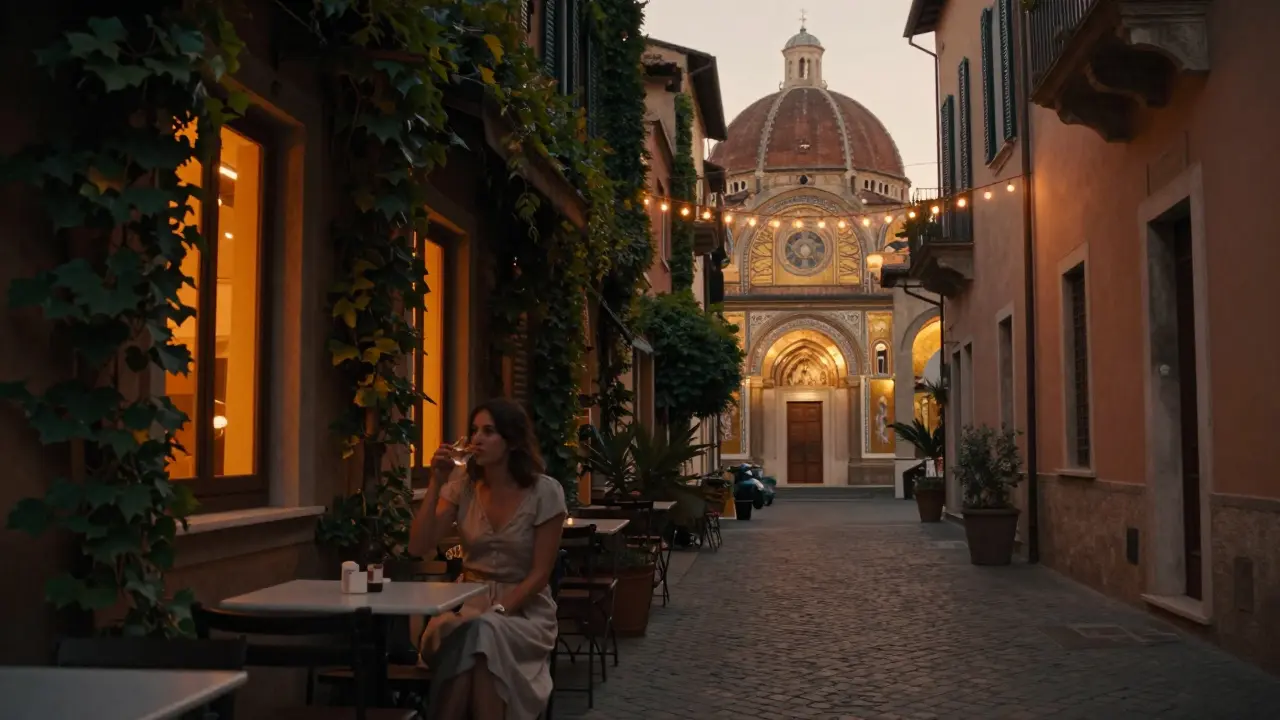
Trastevere is the neighborhood where Rome breathes. It’s not perfect. It’s not quiet. It’s full of street musicians, kids playing football, old women hanging laundry, and dogs barking. But that’s why it’s real. Walk the narrow alleys. Stop at a bar for an aperitivo at sunset. Try a glass of vermouth with a plate of fried artichokes. Sit on a bench near Santa Maria in Trastevere. Watch the light hit the golden mosaics on the church facade. This isn’t a sightseeing spot. It’s where Romans live. And if you’re lucky, someone will invite you to join them for a drink.
See the Hidden Gems - The Ones No Guidebook Tells You
Most tourists never leave the center. But Rome has secrets. The Aventine Keyhole. Walk to the Priory of the Knights of Malta. Look through the keyhole on the gate. You’ll see a perfectly framed view of St. Peter’s Dome - with the hedges of the garden forming a green frame. It’s one of the most photographed scenes in Rome, and most people don’t know it exists. The Appian Way. Rent a bike and ride past ancient tombs, crumbling aqueducts, and olive trees that have been here for 200 years. The Catacombs of San Callisto. Descend into the dark tunnels where early Christians buried their dead. The air is cool. The silence is thick. It’s eerie. It’s beautiful. And it’s free if you know where to go.
Don’t Rush - Rome Rewards Patience
You can’t see Rome in a day. You can’t even see it in three. The city doesn’t work on tourist schedules. It works on its own rhythm. Sit on the Spanish Steps in the late afternoon. Watch the light change. Watch the couples kiss under the trees. Watch the old man feed pigeons. Don’t check your watch. Don’t worry about the next attraction. Rome doesn’t care if you’re on a tight schedule. It’s been here for 2,800 years. It’ll wait for you.
What is the best time of year to visit Rome?
Spring (April to June) and fall (September to October) are ideal. The weather is mild, the crowds are thinner, and the city feels alive without being overwhelming. Summer is hot and packed. Winter is quiet but some attractions have shorter hours. Avoid August - many locals leave, and it’s too hot to walk around comfortably.
Do I need to book tickets in advance for major sites?
Yes. The Colosseum, Vatican Museums, and Borghese Gallery all require advance tickets. Booking ahead saves you hours in line. Even if you think you can just show up, you’ll likely be turned away or forced to wait in a queue that stretches around the block. Use official websites - not third-party resellers.
Is Rome safe for solo travelers?
Rome is generally safe, but petty theft happens - especially in crowded areas like the metro, Trevi Fountain, and tourist-heavy streets. Keep your bag closed, avoid flashing valuables, and don’t leave your phone unattended at a café. The city is well-policed, and violent crime is rare. Trust your instincts. If a place feels off, walk away.
Can I use public transportation easily in Rome?
Yes. The metro is limited but efficient for key routes. Buses and trams cover more ground. A 24-hour ticket costs €7 and works on all public transit. Download the ATAC app for real-time schedules. Walking is often faster in the historic center - many sites are within 20 minutes of each other. Don’t rely on taxis unless you’re going far or carrying heavy bags.
What should I wear in Rome?
Dress respectfully at churches and the Vatican - shoulders and knees covered. Comfortable shoes are a must. You’ll walk 10,000-15,000 steps a day. Lightweight layers work best - it’s often hotter than expected, even in spring. A small umbrella or light rain jacket is useful. No flip-flops in churches or upscale restaurants.
If you’re planning your next trip, remember this: Rome doesn’t give up its magic easily. You have to slow down. You have to listen. You have to get lost a little. The city rewards those who don’t just check boxes - but who sit, stare, taste, and feel. Come for the ruins. Stay for the soul.