When you think of Rome, you don’t just picture a city-you picture layers of history, art that made empires pause, and streets where every corner holds a story older than most countries. It’s not just about seeing sights; it’s about walking through time. And if you’re planning a trip, knowing what to see isn’t enough. You need to know what can’t be missed.
The Colosseum: Where Gladiators Once Stood
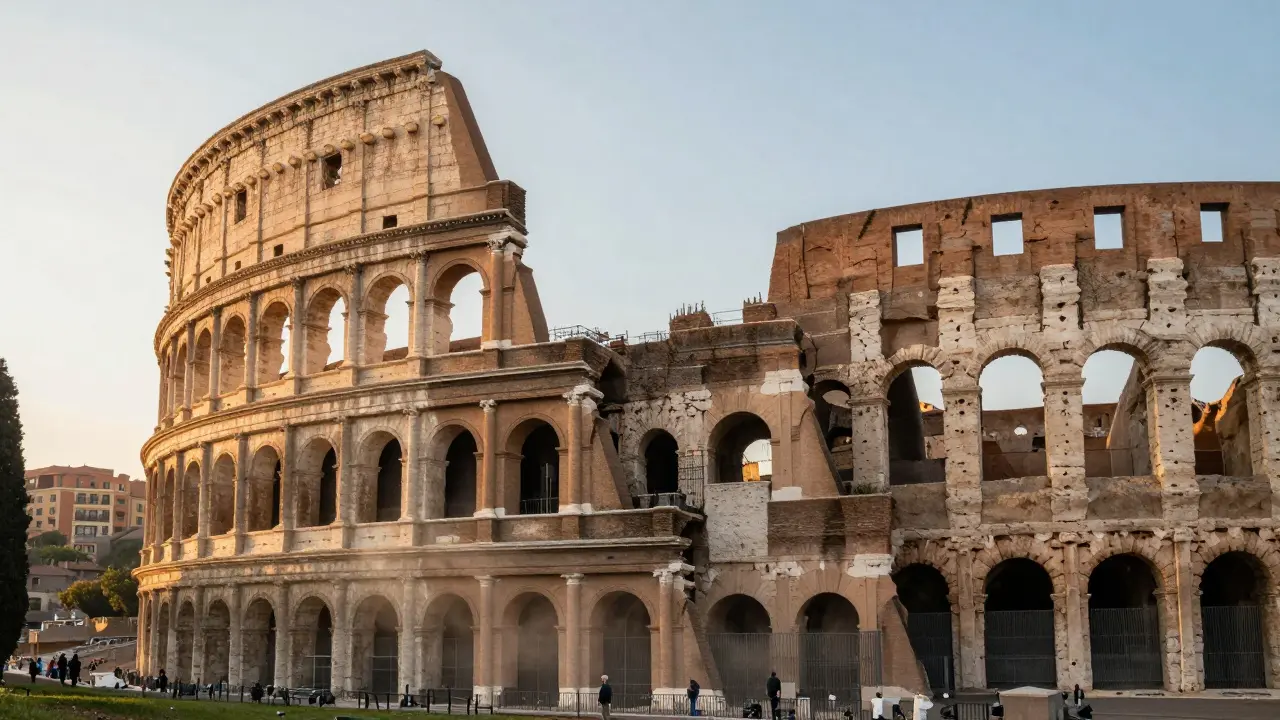
The Colosseum isn’t just an old amphitheater. It’s the heartbeat of ancient Rome. Over 50,000 people once packed its stands to watch gladiators fight, wild animals hunt, and even mock naval battles flood the arena floor. Today, you can walk the same underground tunnels where lions and slaves waited for their moment. The structure still stands despite earthquakes, stone thieves, and centuries of neglect. What’s left? About two-thirds of the original outer wall, but that’s more than enough to feel the scale. Book a guided tour that includes the underground and third tier-you’ll see how the machinery worked and get views most visitors never do.
Vatican Museums and St. Peter’s Basilica: Art That Changed the World
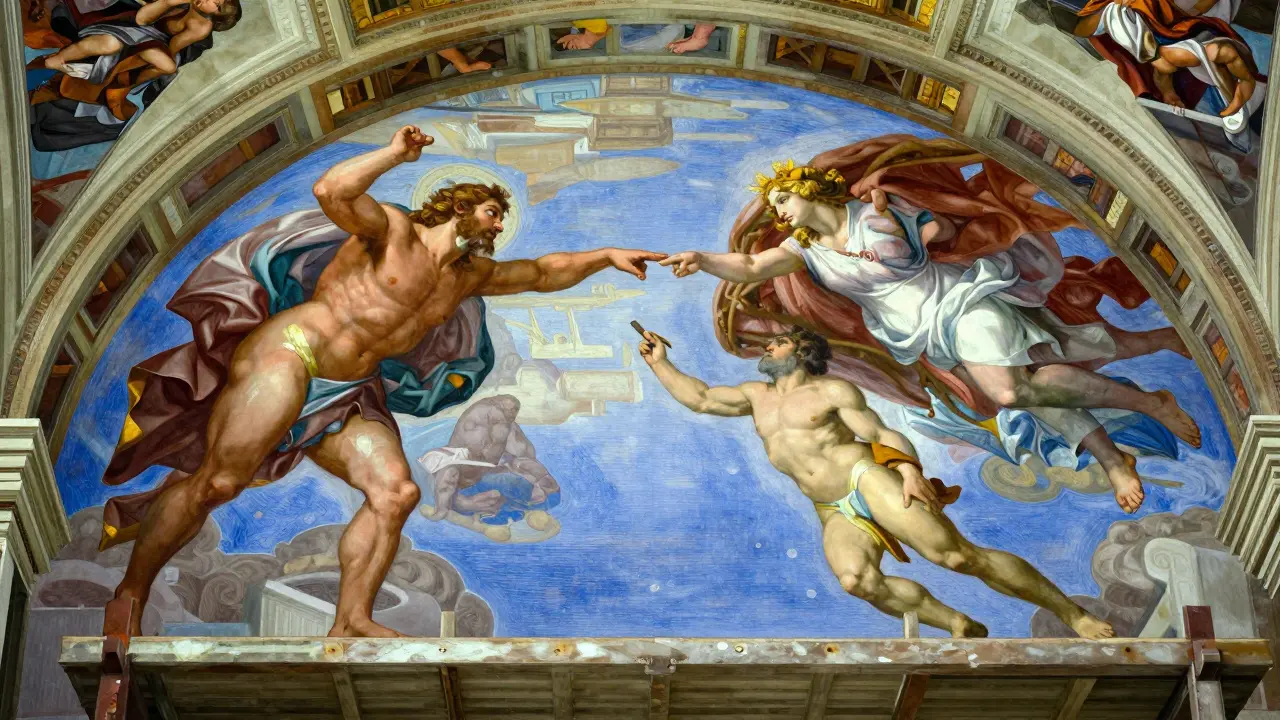
The Vatican Museums hold over 20,000 works of art, but you don’t need to see them all. Focus on the Sistine Chapel. Michelangelo painted its ceiling over four years, lying on his back, staring up at a ceiling that stretched 12,000 square feet. Look for the Creation of Adam-the finger almost touching God’s. That single image is why millions come here. Don’t skip St. Peter’s Basilica right next door. The dome is taller than the Statue of Liberty. Climb to the top (231 steps) for a skyline view of Rome that includes the Colosseum in the distance. The Pietà, Michelangelo’s only signed sculpture, sits just inside the entrance. It’s easy to miss if you’re rushing.
The Pantheon: A 2,000-Year-Old Engineering Miracle
The Pantheon is the best-preserved building from ancient Rome. What makes it special? The dome. It’s still the world’s largest unreinforced concrete dome. No steel. No rebar. Just Roman concrete mixed with volcanic rock, poured over 2,000 years ago. At its center is the oculus-a 27-foot-wide hole in the roof. Rain comes in. Sunlight shifts across the floor. On April 21, Rome’s birthday, a perfect beam of light hits the doorway. No one knows if that was planned, but it feels intentional. The building still works as a church. You can walk in for free. No ticket. No lines. Just silence and centuries of history.
Trevi Fountain: A Coin, a Wish, and a Crowd
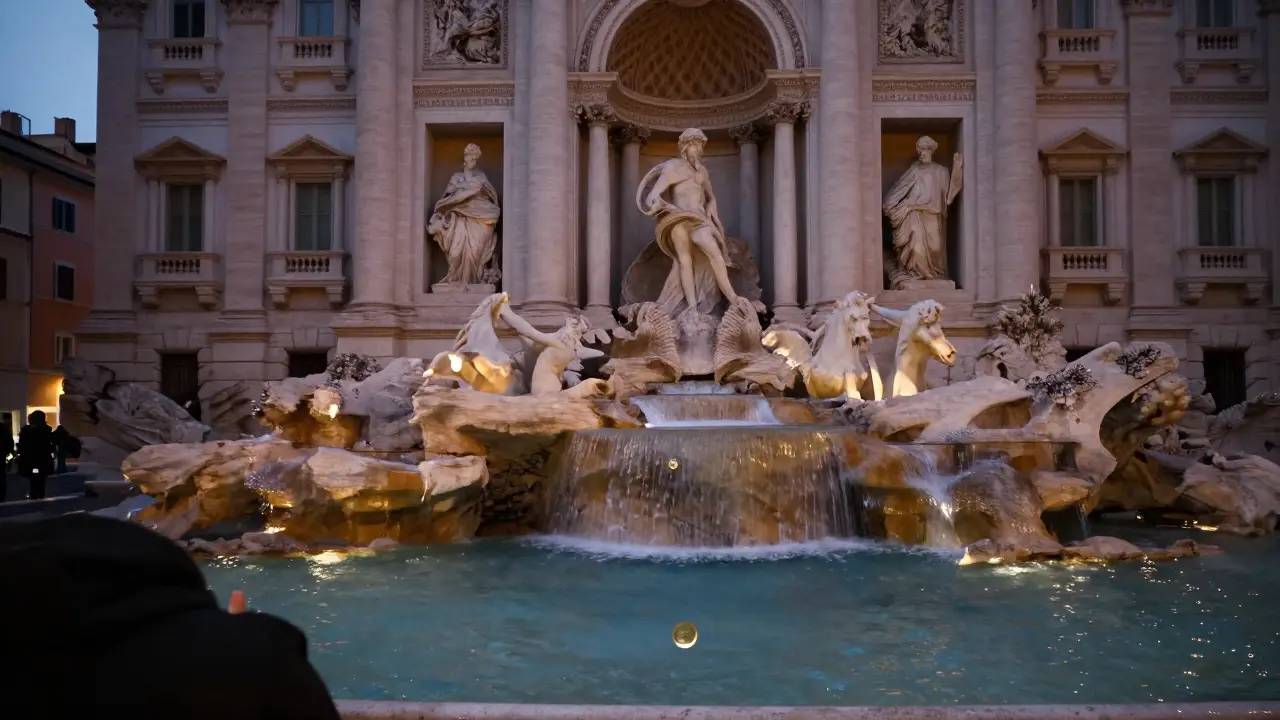
It’s not just pretty. It’s a ritual. Stand at the edge, toss a coin over your left shoulder with your right hand. The legend says it guarantees a return to Rome. Millions do it every year. The fountain collects over €1.5 million annually-money that funds a supermarket for Rome’s poor. The statue? Neptune, god of the sea, flanked by Tritons and horses. One horse is calm, the other wild-symbolizing the sea’s two moods. Go early. Around 7 a.m. on weekdays, you’ll have it mostly to yourself. The water is clean. The marble is real. And the sound of falling water? That’s the sound of Rome breathing.
The Roman Forum: The Birthplace of Democracy
This isn’t a ruin. It’s the center of the ancient world. This was where senators debated laws, merchants traded, and emperors gave speeches. Walk along the Via Sacra-the sacred road-and imagine chariots rolling past the Temple of Saturn, the Arch of Titus, and the House of the Vestal Virgins. You’ll see columns that once held up temples, foundations of homes, and even a public toilet with holes in a stone bench. It’s easy to overlook, but this is where democracy as we know it began. The site is vast. Give yourself two hours. Bring water. Wear good shoes.
Castel Sant’Angelo: A Fortress with a Bloody Past
This round tower looks like a castle, but it started as a tomb. Emperor Hadrian built it in 139 AD for his own burial. Over time, it became a fortress, a prison, and a papal refuge. The Pope once escaped through a secret passage to safety during a siege. The building now holds a museum, but the real draw is the walk from the Vatican. The Passetto di Borgo, the elevated corridor, connects the Vatican to Castel Sant’Angelo. Walk it at sunset. The lights of Rome glow behind you. The Tiber River sparkles below. The whole thing feels like stepping into a movie.
Trastevere: The Soul of Modern Rome
If you want to see how Romans really live, skip the tourist traps and head to Trastevere. This neighborhood, across the Tiber, has cobblestone streets, ivy-covered buildings, and tiny trattorias where nonnas serve handmade pasta. The Basilica of Santa Maria in Trastevere has the oldest mosaics in Rome-gold, red, and blue, dating back to 340 AD. At night, the area buzzes with live music, wine bars, and locals laughing on balconies. Eat at Da Enzo al 29. Book ahead. The cacio e pepe here is the reason people come back.
How to Plan Your Visit
Don’t try to do it all in one day. Rome moves at its own pace. Here’s what works:
- Start with the Colosseum and Roman Forum in the morning-they’re open early and get crowded fast.
- Hit the Pantheon midday. It’s cool inside, and you can grab a gelato across the street.
- Afternoon? Trevi Fountain, then walk to the Spanish Steps. Sit. People-watch. Take a break.
- Evening? Trastevere for dinner. Walk back along the river if you can.
- Save Vatican for a separate day. It’s huge. You’ll need at least 4 hours.
Buy the Roma Pass if you’re staying three days or more. It covers public transit and gives you free entry to two sites, plus discounts on others. Skip the hop-on-hop-off buses. They’re slow and crowded. Walk instead. You’ll find hidden courtyards, street artists, and cafés you never knew existed.
What Most Tourists Miss
Beyond the big names, Rome hides quieter gems. The Aventine Keyhole gives you a perfect framed view of St. Peter’s dome through a simple hole in a door. The Temple of Venus and Roma, tucked behind the Colosseum, is rarely visited. The Museo delle Mura has a walk along ancient city walls with views of the Appian Way. And the Testaccio Market? It’s where locals buy fresh cheese, cured meats, and wine by the glass. No tourists. Just flavor.
What’s the best time of year to visit Rome’s top attractions?
Spring (April to June) and fall (September to October) are ideal. The weather is mild, crowds are thinner, and the light is perfect for photos. Summer is hot and packed-temperatures often hit 35°C (95°F). Winter is cool but quiet, with shorter days and occasional rain. Christmas markets in December add charm, but some sites close early.
Do I need to book tickets in advance for the Colosseum and Vatican?
Yes, absolutely. Both sites sell timed-entry tickets that sell out days in advance. Booking online saves hours of waiting in line. The Colosseum’s underground tour and the Vatican’s early access slot (8:30 a.m.) are especially worth it. Use official websites only-third-party sellers often charge extra.
Can I see all these attractions in one day?
Technically, yes-but you’ll be exhausted and miss the details. You could rush through the Colosseum, Pantheon, Trevi, and Spanish Steps in one day, but you won’t feel them. Rome rewards slow exploration. Spread it over three to four days. Focus on one major site per day, then wander the neighborhoods around it. That’s how you remember it.
Is Rome walkable between major attractions?
Yes, and it’s the best way to see the city. The Colosseum, Roman Forum, and Palatine Hill are all connected. Trevi Fountain is a 20-minute walk from the Pantheon. The Vatican is farther, but you can take bus 40 or the metro. Walking lets you stumble upon small churches, hidden courtyards, and gelato shops you’d miss in a car. Wear comfortable shoes-cobblestones are unforgiving.
Are there free attractions in Rome?
Many. The Pantheon is free to enter. The exterior of the Colosseum and Roman Forum can be seen from outside without a ticket. Piazza Navona, Campo de’ Fiori, and the Spanish Steps are always open. The Aventine Keyhole and the Protestant Cemetery are free too. And if you visit on the first Sunday of the month, many state museums-including the Vatican Museums-offer free entry. Just expect big crowds.