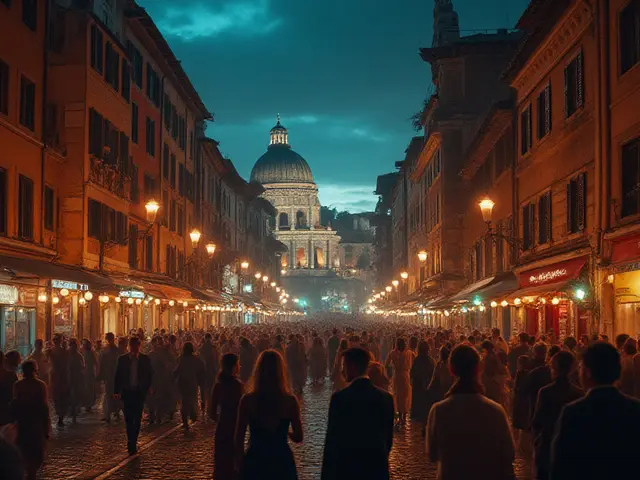
Walking through Rome isn’t like visiting any other city. You’re not just seeing old buildings-you’re stepping into layers of history that still breathe, talk, and feed you. There’s no point in rushing here. If you’re trying to cram the Colosseum, Vatican, and Trevi Fountain into one day, you’ll leave tired and confused. This checklist is for people who want to actually experience Rome, not just check off spots on a map.
Start at the Colosseum, but don’t stop there
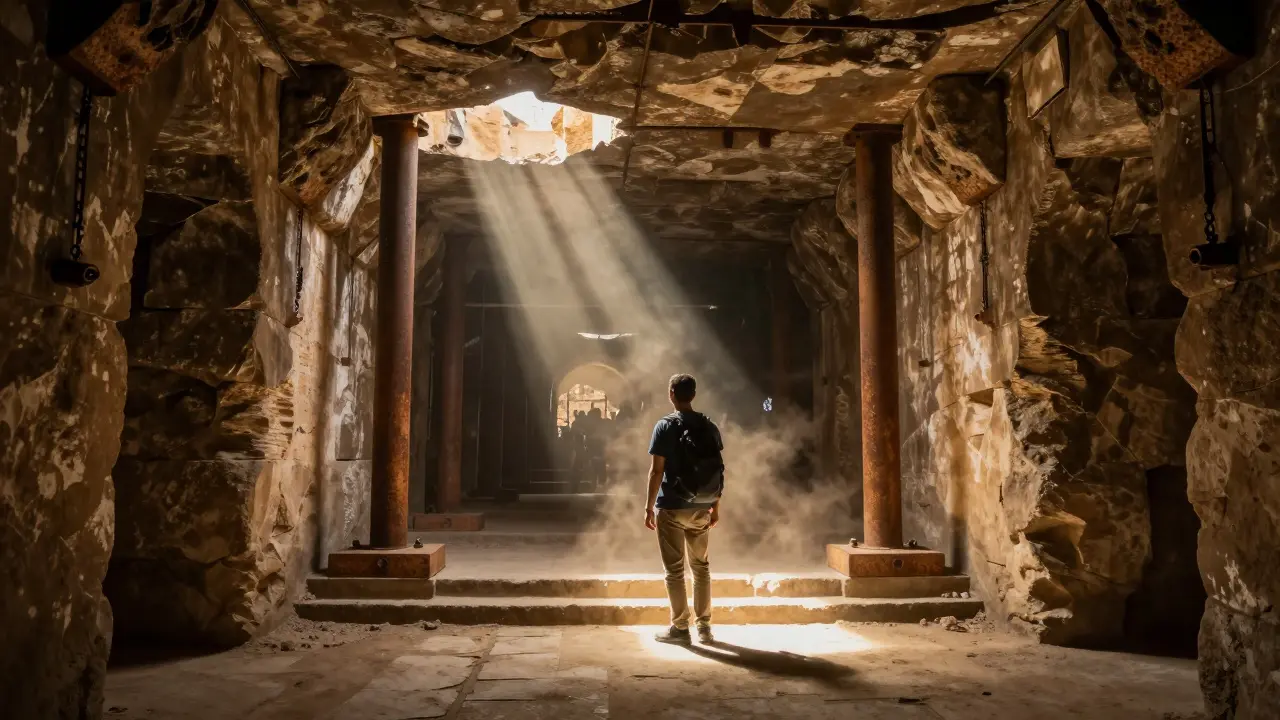
The Colosseum is the obvious first stop. But most tourists buy the basic ticket and walk through the arena floor, snap a photo, and leave. That’s like visiting the Louvre and only seeing the Mona Lisa. The real value is in the underground tunnels and the third tier. Book a guided tour that includes the hypogeum-the maze of corridors where gladiators waited before stepping into the arena. You’ll see the lifts that raised animals and props up to the sand. It’s not just history; it’s engineering. The sound of 50,000 people roaring in this space still echoes in your bones when you stand in the middle of it.
Afterward, walk to the Arch of Constantine and then head straight to the Roman Forum. Don’t take the big tourist bus. Walk. The Forum isn’t a ruin park-it’s the political and social heart of ancient Rome. You’ll walk over the Sacred Way where emperors paraded, past the Temple of Saturn, and stand where Cicero gave speeches. The signs are sparse. Bring a good guidebook or download an audio tour. You’ll need context to feel the weight of it.
Get lost in the Pantheon and Piazza Navona
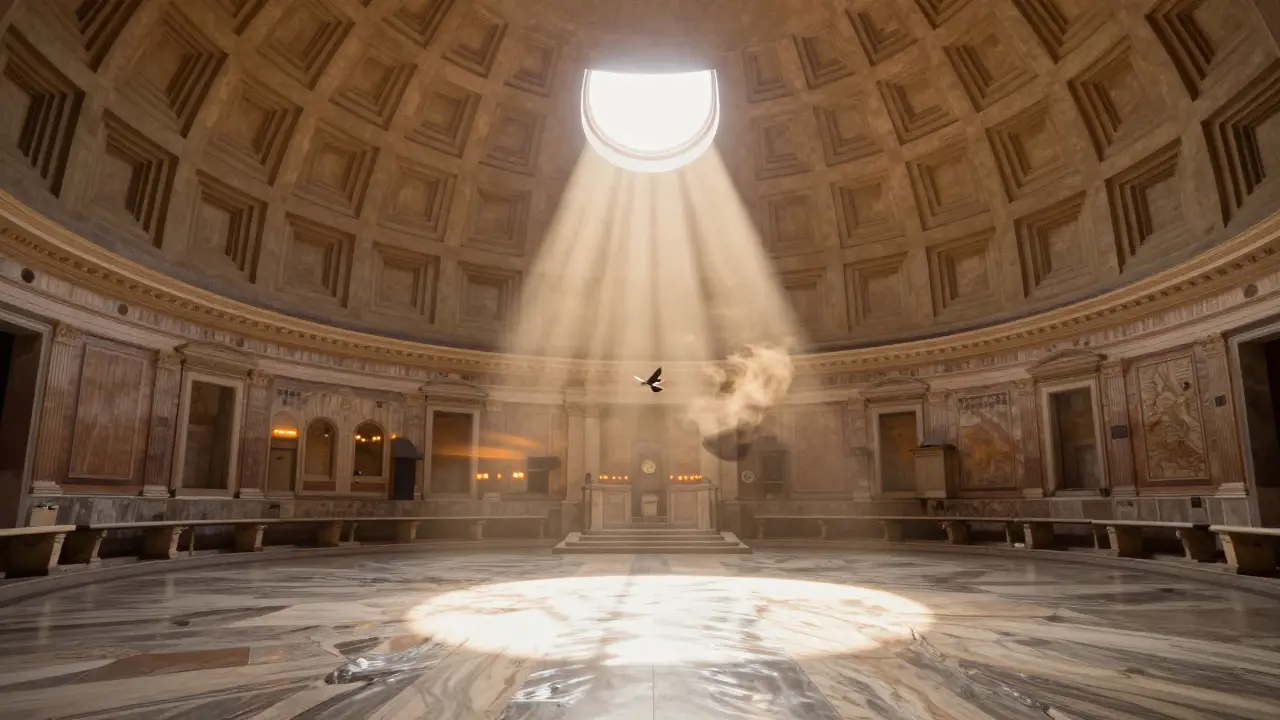
The Pantheon is free to enter, and it’s one of the most perfectly preserved buildings from antiquity. Look up. That oculus-the big hole in the dome-is the only source of light. Rain comes in. Birds fly through. Sunlight moves across the floor like a clock. It’s still a functioning temple, now a church, but the design hasn’t changed in 2,000 years. No modern building matches its scale or harmony.
Just across the street is Piazza Navona. It’s a square built on the site of an ancient Roman stadium. The three fountains are stunning, especially Bernini’s Fountain of the Four Rivers. But come at sunset. The street artists pack up. The tourists thin out. Locals sit on the steps with wine. The air smells like roasted chestnuts from the vendors. This is where Rome feels alive-not staged.
Visit the Vatican-but skip the line
The Vatican Museums are massive. If you wait in the public line, you’ll spend two hours just to get in. Book a timed entry online. Go early. The Sistine Chapel is the draw, but the real gems are in the Raphael Rooms and the Gallery of Maps. The maps aren’t just decorations-they’re 16th-century cartography masterpieces, painted with astonishing detail. You’ll see the entire Italian coastline as it was known then, with ships and sea monsters.
St. Peter’s Basilica is next door. It’s free, and you don’t need a ticket. Climb the dome if you’re up for it. The climb is steep, but the view over Rome-especially at golden hour-is worth every step. Don’t miss the Pietà. Michelangelo carved it when he was 24. It’s the only sculpture he ever signed.
Find the hidden fountains
Trevi Fountain is crowded. Everyone throws a coin over their shoulder, hoping to return. But the real magic is in the lesser-known fountains. Try the Fontana della Barcaccia at the foot of the Spanish Steps. It’s shaped like a sinking boat, built to solve a water pressure problem in the 1600s. Or head to the Trevi Fountain’s quieter cousin, the Fontana di Trevi’s neighbor, the Fontana dei Dioscuri, near the Quirinal Palace. It’s less photographed, but just as elegant.
There’s also the Fontana delle Tartarughe in the Jewish Ghetto. Four bronze turtles climb the sides, their origins still debated. Locals say they were added to keep the water from freezing. No one knows for sure. That’s Rome-mystery wrapped in marble.
Eat like a local, not a tourist
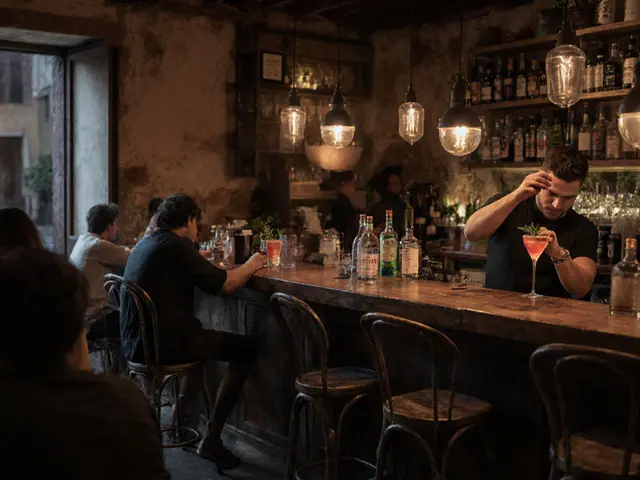
Forget the restaurants with English menus and photos of pasta on the awning. Head to Trastevere after 7 p.m. Look for places with no signs, just a few tables outside. Order carbonara-but make sure it’s made with guanciale, not pancetta. The egg yolk should be creamy, not scrambled. The pasta should be al dente. If it’s too thick, it’s wrong.
Try supplì-fried rice balls with mozzarella inside. They’re sold at bakeries, not restaurants. Ask for one with a “cuore filante”-a stringy cheese center. Eat it while standing at the counter. The best ones come from Supplizio or Antico Forno Roscioli.
For dessert, skip the gelato chains. Find a small shop with a sign that says “Gelateria Artigianale.” Look for natural colors-no neon green or pink. Pistachio should be earthy, not sweet. Try maritozzi, a sweet bun with whipped cream, sold in bakeries around breakfast time. It’s a Roman tradition you won’t find in guidebooks.
Walk the Appian Way
Most people never leave the city center. But the Appian Way-the ancient road that led from Rome to Brindisi-is where you feel the real weight of history. Rent a bike or take a bus to the start near Porta San Sebastiano. Ride along the cobblestones, past crumbling tombs and olive trees. You’ll pass the Catacombs of San Callisto, where early Christians buried their dead. The air is quiet. The only sounds are birds and your wheels on stone.
Stop at the Villa of the Quintilii. It’s a massive Roman villa, half-buried in vines. No crowds. Just the ruins and the breeze. This is where emperors once hosted banquets. Now, it’s just you and the ghosts.
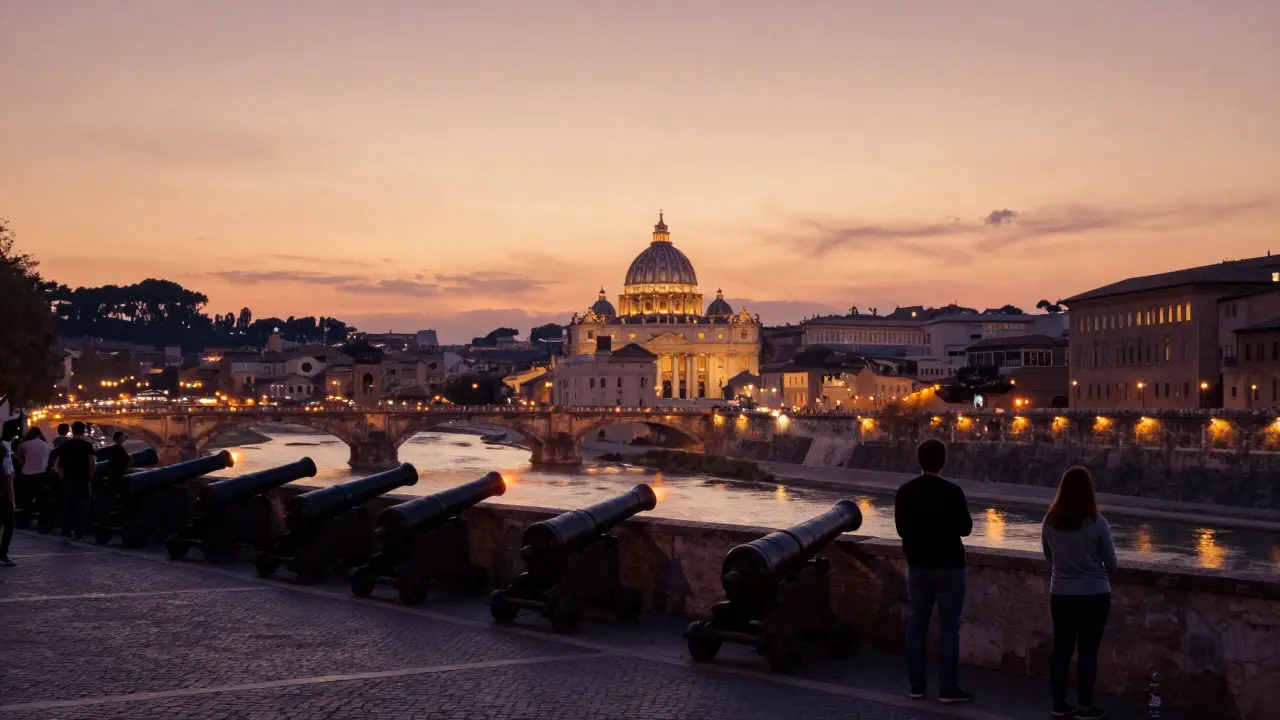
Watch the sunset from Gianicolo Hill
Don’t go to the Spanish Steps for sunset. They’re packed. Walk up to Gianicolo Hill. It’s not the tallest spot, but it’s the best view of the city without the crowds. You’ll see the dome of St. Peter’s, the towers of Trastevere, and the Tiber winding through the city. At exactly 6 p.m., a cannon fires from the Janiculum Fortress-a tradition since 1877. Locals stop and listen. Tourists take photos. No one explains it. You just feel it.
Take a day trip to Ostia Antica
Most people don’t know Ostia Antica exists. It’s the ancient port city of Rome, buried under sand for centuries. It’s better preserved than Pompeii-and almost empty. Walk down the original Roman streets. See the bread ovens, the brothels with mosaics on the floor, the apartment buildings with balconies still standing. You can sit in a 2,000-year-old theater and imagine the crowd laughing at a comedy.
It’s a 20-minute train ride from Rome. Go on a weekday. Bring water. No cafes. Just ruins and silence. You’ll leave feeling like you’ve discovered something secret.
Be patient. Rome doesn’t rush.
Don’t try to do everything. Rome rewards slow movement. Sit in a piazza with a coffee. Watch the old men play chess. Listen to the church bells. Wait for the street musician to finish his song. The city doesn’t care if you’re on a schedule. It’s been here for millennia. It’ll still be here tomorrow.
Bring comfortable shoes. Carry a small bottle of water. Learn three Italian phrases: Per favore, Grazie, and Dov’è il bagno? That’s enough. The rest you’ll pick up by watching, listening, and being present.
Rome isn’t a place you visit. It’s a place you remember.
How many days do I need in Rome?
Four days is the sweet spot. Day one: Colosseum and Roman Forum. Day two: Vatican and St. Peter’s. Day three: Trastevere, Pantheon, and hidden fountains. Day four: Appian Way or Ostia Antica. You can see the highlights in two days, but you won’t feel the city unless you slow down.
Is it safe to walk around Rome at night?
Yes, most areas are safe after dark, especially the historic center. Stick to well-lit streets. Avoid empty alleys near Termini Station at night. Pickpockets are the main risk-keep your wallet in a front pocket and your bag closed. The city is generally safe, but don’t leave valuables unattended in piazzas.
Should I buy a Roma Pass?
Only if you plan to visit at least three paid attractions and use public transit daily. The Roma Pass gives you free entry to two sites and discounted entry to others, plus unlimited bus and metro rides. But if you’re only doing the Colosseum and Vatican, it’s cheaper to buy tickets separately. Check the current prices online before buying.
What’s the best time of year to visit Rome?
April to June and September to October are ideal. The weather is warm but not scorching. Crowds are thinner than in July and August. Spring brings blooming gardens in the Villa Borghese. Fall has golden light over the ruins. Winter is quiet and chilly-perfect for museums and hot chocolate in cozy cafés.
Can I visit the Vatican in one day?
Yes, but you need to plan. Book a morning timed entry to the Vatican Museums. Spend two hours there, then walk to St. Peter’s Basilica. Climb the dome if you have energy. You can see the highlights in 4-5 hours. Skip the Sistine Chapel if you’re short on time-it’s crowded and overwhelming. The Raphael Rooms and the Basilica are more peaceful and just as impressive.
Do I need to dress a certain way in Rome?
Yes, for churches and the Vatican. Shoulders and knees must be covered. No tank tops, shorts, or mini-skirts. Women should bring a light scarf to cover their shoulders. Men should avoid sleeveless shirts. It’s not a strict police thing, but you’ll be turned away if you’re too revealing. Most churches are cool inside, so bring a light jacket.